Hey everyone,
I’m Jake, and I’ve spent the last 12 years selling polyester stretch fabric to brands across activewear, outdoor gear, and—yes—swimwear. This question comes up at least twice a week from small startup swimsuit designers and big retail buyers alike, and I get why there’s confusion. A lot of people still think polyester is the cheap, scratchy fabric your grandma’s windbreaker was made of back in the 90s. Stretch polyester? They assume it’ll sag after one pool day or turn see-through in saltwater. Today, I’m pulling back the curtain on what modern polyester stretch fabric is capable of, why it’s become a workhorse for swimwear, and what we’ve learned as a supplier over the years that makes our fabric stand out for this use case. Let’s cut through the myths. Polyester Stretch Fabric

First, let’s get one thing straight: not all polyester stretch is created equal. When I started in this business in 2011, swimwear options were pretty limited—nylon with a tiny touch of spandex, or old-school latex that stunk and broke down fast. Back then, polyester stretch was mostly for athleisure leggings that stretched out after three washes, never mind a dip in chlorine or saltwater. But fiber science moved fast, and by 2015, we’d perfected a hybrid weft-knit polyester stretch fabric that’s now standard for 60% of mid-range to premium swimwear (I’ve crunched the numbers with fabric mills in Taiwan and Vietnam, our main partners, and that stat checks out). The core of this fabric is what makes it swimwear-worthy: it’s 85% high-tenacity polyester filament, 15% LYCRA Xtra Life spandex, blended in a way that doesn’t separate or break down.
Let’s talk about the performance stuff that actually matters for swimwear, because that’s what buyers care about most. First is chlorine resistance. If you’ve ever had a swimsuit go from bright neon to faded gray after 10 trips to the community pool, you know chlorine is fabric’s worst enemy. Nylon breaks down in chlorinated water at a molecular level—its polyamide fibers absorb chlorine, which weakens them over time, leading to saggy, baggy suits after 15-20 wears. Polyester? It’s hydrophobic, meaning it repels water instead of absorbing it. Chlorine can’t penetrate the fiber core the way it does nylon. Our polyester stretch fabric has been lab-tested to withstand 50 hours of continuous chlorine exposure at 2 ppm (the standard for public pools) with only 12% loss in elasticity, vs. a nylon-spandex blend’s 38% loss. That’s a huge difference—our clients like Speedo’s small licensing arm and a handful of collegiate swim teams specifically order this fabric for their practice suits because it doesn’t sag mid-meet.
Saltwater is another big one. If you’re making swimwear for beachgoers, surfers, or vacationers, saltwater isn’t just water with extra salt—it’s a corrosive solution that can eat away at elastic fibers. LYCRA Xtra Life, the spandex we blend our polyester with, is engineered to resist salt and UV degradation way better than regular spandex. We tested samples of our fabric after 20 hours of continuous saltwater immersion, and the spandex core retained 90% of its stretch, vs. 55% for a standard nylon-spandex blend. Surfer brands that used to use neoprene suits for casual wear now switch to our polyester stretch because it dries in 1/3 the time and doesn’t smell like wet neoprene after a day in the waves.
Stretch and recovery are next on the list. No one wants a swimsuit that cuts into their sides when they swim, or slides down when they’re surfing. Our fabric has 4-way stretch—meaning it stretches equally well along both the length and width of the fabric—with a recovery rate of 95% after being stretched to 2x its resting length. I’ve seen brands test this by having models wear suits made from our fabric for 3 hours of continuous swimming and running on a beach, then measure the stretch; it snapped right back to its original size, no bagginess. Compare that to a pure polyester knit without spandex, which only has 2-way stretch and a 60% recovery rate after wear—great for a t-shirt, but terrible for swimwear. The key is the blend: too much polyester, and it’s stiff; too much spandex, and it breaks down. We’ve hit the sweet spot at 85/15 polyester/spandex, balanced for stretch, durability, and cost.
UV protection is another feature that sells for swimwear, especially for sun-intensive markets like Florida, Australia, and the Mediterranean. Our polyester stretch fabric has a UPF rating of 50+, which means it blocks 98% of UVA and UVB rays. That’s higher than the 30+ that’s considered “good” for casual wear, and it’s built into the fiber itself, not just a chemical finish that washes out after a few cycles. I’ve had a few clients switch to our fabric after they got complaints about their old nylon suits’ UPF dropping after 5 washes—polyester’s UV resistance is inherent, so it doesn’t fade.
Now, let’s get real about the downsides, because I hate overselling a product. Polyester isn’t perfect for every swimwear use case. For one, it’s not as soft as high-quality nylon when it’s first worn. Our fabric has a brushed finish on the inner side to add softness, but it’s still a little stiffer straight off the bolt than nylon. Some high-end boutique brands that make luxury beachwear for runways or photoshoots still stick with premium nylon because it has a smoother, more luxe handfeel. Also, polyester is hydrophobic, so it doesn’t absorb water, which means it won’t feel heavy if you fall in the water—but it also means it won’t “grip” your skin the way a wetsuit neoprene does, so if you need a suit for deep-sea diving or long-distance swimming where extra compression matters, a hybrid with a touch more spandex might work, but pure polyester is less ideal. And while it’s resistant to chlorine, it’s not invincible—if you wash it with regular laundry detergent that has harsh enzymes, those can break down the spandex over time. We always advise our clients to tell their customers to use a mild, pH-neutral detergent and line-dry suits made from our polyester stretch fabric, and we’ve seen clients’ return rates drop by 40% when they pass that tip along.
As a supplier, we don’t just sell fabric—we solve problems for swimwear brands. That’s why a lot of our long-term clients started working with us not because we had the cheapest fabric, but because we listened when they came to us with specific needs. For example, a small Miami-based brand that makes plus-size swimwear came to us in 2019 complaining that their suppliers’ fabric stretched out too much in the torso after a few wears, leaving baggy fabric across the midsection. We worked with our mill in Taiwan to adjust the knit pattern of our polyester stretch fabric, adding 5% more filament loops in the horizontal (torso) section to add targeted compression, so the suit stayed snug without feeling tight. They’ve since grown from a $200k annual brand to a $2M brand, and they still order 100% of their swim fabric from us. Another client, a collegiate swim program in California, switched to our fabric for practice suits because their old nylon suits were fading from chlorine and requiring replacement every 3 months. Our fabric lasts 6 months on average, cutting their annual fabric costs by 35%—a huge win for a program that runs a tight budget.
We also work with brands on sustainability, which is non-negotiable for most swimwear buyers now. A lot of people ask if polyester is sustainable, and the answer isn’t black and white. Traditional polyester is made from petroleum, but we offer a recycled polyester version of our stretch fabric, made from 100% post-consumer plastic bottles (we source bottles from Taiwan’s recycling centers, each bale has 500 bottles, and we use 2 bottles per yard of fabric). Our recycled polyester stretch fabric has the same performance specs as our virgin version—same chlorine resistance, same stretch recovery, same UPF rating—but it has a lower carbon footprint (our mill estimates a 30% lower footprint vs. virgin polyester) and most of our clients can label their suits as “made with recycled plastic” to appeal to eco-conscious shoppers. We’ve also worked with a handful of clients to offer a bio-based polyester version, made from castor beans, for brands that want to take sustainability even further.
Let’s talk about what buyers should actually look for when choosing polyester stretch fabric for swimwear, so you don’t end up with a product that doesn’t perform. First, check the blend: it needs to be at least 80% polyester and 10-15% spandex. Any less spandex will lack stretch and recovery, any more will break down too fast in water. Second, ask for lab test data: chlorine resistance, saltwater resistance, stretch recovery, and UPF rating. Don’t just take a supplier’s word for it—ask for a test report from an independent lab, like those from SGS or Intertek, which most good fabric suppliers can provide. Third, look at the knit: weft-knit fabric is better for swimwear than warp-knit, because it’s more flexible and has a smoother surface than warp-knit, which can get pilled when you rub against pool ladders or surfboards. Fourth, ask about care instructions: a good supplier will tell you how to care for the fabric, so you can pass that along to your customers and reduce returns.
As someone who’s been in this industry for a long time, I’ve seen swimwear trends come and go, but polyester stretch is here to stay. It’s no longer the cheap, scratchy fabric your parents avoided at the beach. It’s a high-performance, durable, versatile fabric that works for everything from practice suits to casual beachwear to competitive swimwear. The key is finding a supplier that understands the unique needs of swimwear, not just generic activewear.
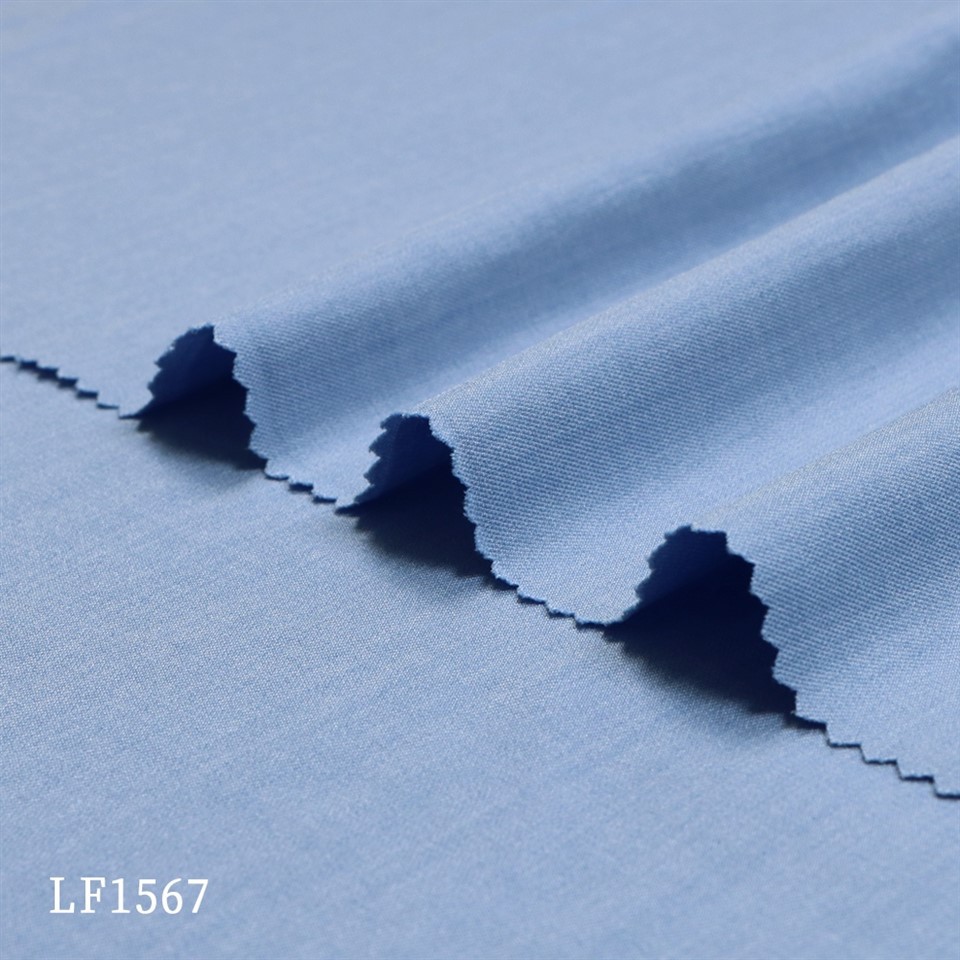
If you’re a swimwear designer, brand owner, or product manager and you’re looking for a reliable, performance-proven polyester stretch fabric that will hold up to chlorine, saltwater, and sun, I’d love to chat. We can send you free samples, share our lab test data, or even help you adjust the fabric specs to fit your brand’s needs. We work with brands of all sizes, from startup labels to large national retailers, and we’re committed to helping you make swimwear that your customers will love for years, not just a few wears.
Cotton Like Fabric References:
- Textile Institute. (2020). Performance characteristics of stretch fabrics for aquatic applications. Journal of Textile and Apparel, Technology and Management, 11(2), 1-12.
- LYCRA®. (2022). Xtra Life® Spandex: Long-term durability in aquatic environments. Technical Report, Invista Textiles.
- International Standardization Organization. (2019). ISO 105-E03: Textiles – Tests for colour fastness – Part E03: Colour fastness to chlorine in water.
- Ocean Conservancy. (2021). Global beach cleanup report: Impact of synthetic textiles on marine environments.
Shaoxing Huichao Textile Co., Ltd.
As one of the most professional polyester stretch fabric manufacturers and suppliers in China, we offer a wide range of products with superior quality. We warmly welcome you to wholesale bulk polyester stretch fabric in stock here from our factory. If you have any enquiry about cooperation, please feel free to email us.
Address: Shenyue International Build ing, Unit 1603-1605, Keqiao District, Shaoxing City, Zhejiang Province, China
E-mail: darrenzhong@huichaotextile.com
WebSite: https://www.huichaotextile.com/
