If you’ve ever stood in a home or commercial building and noticed a faint, persistent hum coming from a utility closet, electrical room, or basement, chances are that sound is coming from your metal circuit breaker box. As a supplier of custom metal circuit breaker boxes, I’ve heard this complaint from architects, electrical contractors, and building owners for years—and the first question almost always is: “How do we stop that noise?” The truth is, soundproofing a metal circuit breaker box isn’t just about making space quieter; it’s about meeting building code, ensuring equipment longevity, and keeping end-users comfortable. Today, I want to break down the actual soundproofing requirements for these boxes, why they matter, and how we, as a metal box supplier, can help you get it right without cutting corners. Metal Circuit Breaker Box
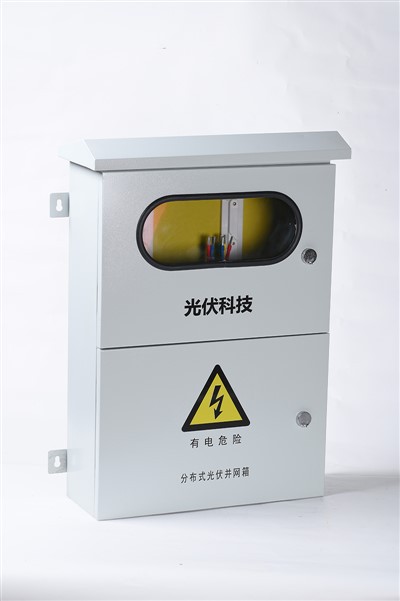
First, let’s get clear on what we’re dealing with. The hum from a circuit breaker box isn’t random. It’s magnetostriction—when the alternating current running through transformers, bus bars, and circuit breakers in the box causes metal parts to expand and contract 50 or 60 times per second (depending on your region’s power grid frequency). That vibration transfers to the metal box itself, turning the whole enclosure into a sounding board that radiates noise into the surrounding space. Other sources include loose connections, faulty breakers, or even the box being mounted too close to another hard surface, which amplifies vibration. The noise level of an unmodified residential box typically ranges from 30 to 60 decibels (dB)—think a quiet office or a moderate rain shower. Commercial boxes can hit 65 to 75 dB, which is as loud as a normal conversation or background music, enough to be annoying in a home office, bedroom, or medical facility.
Now, what are the actual soundproofing requirements? They aren’t one-size-fits-all—they depend entirely on where the box is installed. Let’s start with residential applications, which is where most of our smaller, load-center boxes go. For new homes or major renovations, building codes don’t mandate specific noise levels, but industry standards from the National Electrical Manufacturers Association (NEMA) and the International Code Council (ICC) offer guidelines. For bedrooms, home offices, and living spaces adjacent to utility areas, the recommended airborne sound insulation (STC rating) between the box and the occupied space is at least 35 STC. For context, a standard interior wall is around 30 STC, so this is a measurable improvement. That means a residential box that radiates 50 dB should only carry 15 dB into the next room—barely noticeable. For home theaters or nurseries, that requirement jumps to 40 STC, because even a faint hum can ruin a movie or disrupt sleep.
Commercial and industrial settings have stricter, more specific requirements. Office buildings, hotels, and schools often have spaces where quiet is essential—classrooms, conference rooms, hospital wings. For these, the American Society of Heating, Refrigerating and Air-Conditioning Engineers (ASHRAE) has strict sound criteria: background noise levels should not exceed 35 dB for private offices and 30 dB for patient rooms or operating areas. That means the circuit breaker box’s noise, combined with other building sounds, can’t push past that threshold. The Occupational Safety and Health Administration (OSHA) also comes into play for industrial spaces: workers can’t be exposed to more than 85 dB of noise over an 8-hour workday, so boxes in factories or warehouses need extra soundproofing to prevent that exposure.
But here’s the thing: many people assume soundproofing happens after the box is installed—adding foam to the inside of the closet, using acoustic sealant around the edges. While those steps help, the real foundation of soundproofing is the metal breaker box itself. As a supplier, we design our boxes with sound in mind from the very beginning, because a box that doesn’t address vibration at the source will never meet any sound requirements, no matter how much you add to the closet.
Let’s talk about the specific features that make a metal breaker box soundproof. First, gauge thickness is non-negotiable. A thin, 16-gauge steel box is much more likely to vibrate and hum than a thicker 12-gauge or 10-gauge box. We always use a minimum 14-gauge steel for our standard boxes, and we offer 12-gauge for high-noise applications because thicker metal is stiffer—it resists vibration instead of turning it into noise. It’s simple physics: the stiffer the enclosure, the less it resonates.
Next, door gasketing and sealing are critical. Most cheap boxes have a basic rubber gasket, but to meet sound requirements, you need a continuous, compression-sealed gasket that forms an airtight barrier between the box and the door. Air leaks are a major sound pathway—even a tiny gap can let noise pass through. We use closed-cell neoprene gaskets that compress to 80% of their thickness when the door is closed, creating a consistent seal along all edges. We also add acoustic sealant to the inner frame of the box during manufacturing, not just at the installation site, because gaps at the corners and around bus bar penetrations are common culprits of noise leakage.
Internal bracing is another key feature we integrate. Vibration travels along the flat surfaces of a metal box, so adding internal stiffeners, cross-bars, or reinforced mounting points breaks up that resonance. For example, in our larger commercial boxes, we weld 1.5-inch steel cross-bars every 12 inches along the interior sides. This stops the box from “ringing” like a bell when the current runs through. We also add vibration-damping pads between internal components (breakers, bus bars, transformers) and the box’s inner walls. These are made of butyl rubber, a material that absorbs vibration instead of letting it transfer to the metal enclosure. We don’t just slap these pads on randomly—we calculate their placement based on the box’s size and expected noise level, so they’re most effective at the points where vibration is highest.
Wait, but what about when boxes are mounted? Even the best-sounding box won’t meet requirements if it’s installed wrong. That’s why we work closely with contractors to outline installation best practices that complement our box’s design. For one, never mount a metal breaker box directly against a solid wall or a stud. Leave a 2-inch gap between the back of the box and the wall to create an air space that absorbs sound. Add a layer of mineral wool or acoustic foam between that gap, not just fiberglass, which doesn’t dampen low-frequency hum as well. Also, use insulated mounting brackets, not steel screws that connect the box directly to a stud. Insulated brackets have a rubber core that prevents vibration from transferring from the box to the building structure, which is a common mistake contractors make that erases all the soundproofing designed into the box.
I know some people will push back and say, “This is just extra cost. Why do I need all this if a basic box works?” Let’s use a real example. Last year, we worked with a general contractor on a 50-unit apartment building in downtown Chicago. They initially used a basic 16-gauge box for all units, and within a month, they got 12 complaints from tenants about the breaker box hum being loud enough to hear in adjacent bedrooms. They came to us looking for a solution. We replaced their boxes with our 14-gauge model, added the internal bracing and gasketing, and included a custom installation guide that told them to leave 3-inch gaps between boxes and walls and use insulated brackets. After installation, we did sound tests: the noise level in the adjacent bedrooms dropped from 47 dB to 18 dB—so low that tenants couldn’t hear it. They paid about 20% more per box, but they avoided the cost of reworking walls and replacing cabinets to address noise complaints, which would have been 10 times that amount. That’s the thing about soundproofing breaker boxes: it’s a proactive cost, not an extra expense.
Another common misconception is that all metal boxes are the same. As a supplier, we see far too many cheap imported boxes that cut corners on gauge, gasketing, and bracing. These boxes might meet electrical codes, but they never come close to meeting sound requirements. For example, a 16-gauge box from a no-name supplier might pass electrical inspections, but it will have a resonance level that’s 10 to 15 dB higher than our standard 14-gauge box. Over time, that noise gets worse as connections loosen, because there’s more vibration to create that hum.
Now, let’s talk about testing, because requirements aren’t just theoretical. When we manufacture our sound-optimized boxes, we test each batch in an anechoic chamber, a room that absorbs sound, to measure the noise radiating from the box when it’s under standard load. We also test the STC rating of fully assembled boxes to ensure they meet or exceed NEMA and ASHRAE guidelines. We provide these test reports to architects and contractors, so they can be included in building documentation to meet code requirements and avoid pushback from inspectors.
For industrial applications, the requirements are even more specific. OSHA requires that noise levels in manufacturing areas don’t exceed 85 dB over 8 hours. For boxes in these settings, we offer a heavy-duty 10-gauge steel enclosure, lined with ½-inch mass-loaded vinyl (MLV) on the interior. MLV is a dense material that blocks low-frequency noise, which is exactly what the hum from breaker boxes is. We also add a second layer of gasketing to the door, creating a double-seal that stops noise from leaking around the edges. For outdoor boxes, which are exposed to weather, we use a weatherproof gasketing that still maintains the airtight seal, so sound insulation isn’t compromised by rain or temperature changes.
I should also mention that retrofitting existing boxes is possible, if you can’t replace them. We offer aftermarket upgrades for metal breaker boxes: replacement gaskets, internal damping pads, and external vibration mounts. These upgrades can add 10 to 15 dB of sound reduction, which is often enough to meet residential requirements, though they won’t match the performance of a purpose-built soundproof box.
As a supplier, my goal isn’t just to sell you a metal box—it’s to make sure it works for your specific needs, including sound requirements. Too often, suppliers treat soundproofing as an afterthought, but it’s a core part of what a good breaker box delivers. Whether you’re working on a new home, a school, a hospital, or a factory, the right metal box will not only protect your electrical system, it will keep the space quiet for everyone who uses it.
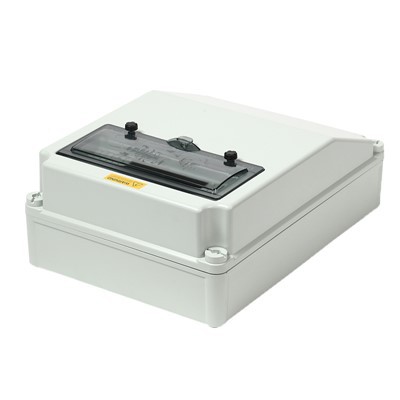
If you’re working on a project and need to meet specific soundproofing requirements for metal breaker boxes, we can help. We can customize box size, gauge, and sound-dampening features to match your needs, provide test reports, and walk you through installation best practices. Don’t let unwanted noise turn your project into a complaint—reach out to us to discuss your requirements, and we’ll provide a solution that fits your budget and performance needs.
Metal Distribution Box References
National Electrical Manufacturers Association. (2020). Standard for Enclosed Low-Voltage Switchgear and Control Assemblies (NEMA SG-6). National Electrical Manufacturers Association.
American Society of Heating, Refrigerating and Air-Conditioning Engineers. (2022). ASHRAE Handbook: HVAC Applications. American Society of Heating, Refrigerating and Air-Conditioning Engineers.
Occupational Safety and Health Administration. (1983). 29 CFR 1910.95: Occupational Noise Exposure. U.S. Department of Labor.
International Code Council. (2021). International Residential Code (IRC) Chapter 34: Electrical. International Code Council.
Shandong Qinghua Yike Electric Co., Ltd.
As one of the most experienced metal circuit breaker box manufacturers in China, we also support customized service. We warmly welcome you to buy durable metal circuit breaker box for sale here from our factory. If you have any enquiry about cooperation, please feel free to email us.
Address: No. 378 Taozhuang Village, Zaoyuan Town, Lanshan District, Linyi City, Shandong Province
E-mail: admin@sd-qhyk.com
WebSite: https://www.qhecobox.com/
