Hey everyone, if you’re running a business that deals with powder packaging—whether it’s protein powder, spice blends, laundry detergent, or even food-grade additives—chances are you’ve stared at a roll of flexible packaging film and thought, “Wait, can my existing powder packaging machine even handle this stuff?” I get it, I’m part of a team that sells and services powder packaging machines, and this is one of the most common questions we get from new and repeat customers alike. A lot of folks assume rigid, bulkier packaging is the only safe bet for powder processing, but let me tell you—flexible packaging is totally doable, and it’s actually a game-changer for cutting costs, reducing waste, and making your products stand out on shelves. Let’s break this down like we’re chatting over coffee, no stuffy jargon allowed. Powder Packaging Machine
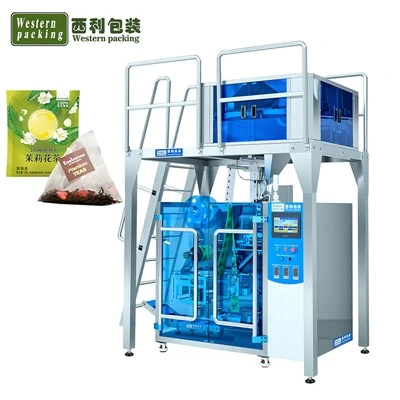
First, let’s get one thing straight: not all powder packaging machines are created equal. Some entry-level models only work with rigid containers like plastic jars or cardboard boxes, but that doesn’t mean your machine is out of the race if you want to switch to flexible materials. Flexible packaging for powder comes in a bunch of forms—think pre-made stand-up pouches (the ones with the little spout for protein shakes), flat pouches, pillow bags, even roll stock that gets formed into bags on the machine. The key here is matching your machine’s features to the properties of the flexible material you’re using, because not all flexible films are the same. Some are thin, single-layer plastic; others are multi-layered (like a plastic-aluminum-paper combo) for extra moisture or light protection. If your machine’s got the right adjustments, it can handle almost any of these.
Let me walk you through a real example from a customer we worked with last year. They were a small spice brand using a basic auger filler with rigid glass jars. They wanted to switch to stand-up pouches because glass was eating into their profits and pouches take up way less space on store shelves and in shipping. They thought they’d have to buy an entirely new machine, but after tweaking our standard powder packaging machine’s settings—adjusting the film unwinder tension, upgrading the bag-forming jaws, and calibrating the filler to work with the pouch’s narrow opening—they were good to go. No brand-new machine needed, just a few targeted changes that cost a fraction of the price. That’s the kind of win we love to see, and it’s proof that compatibility is all about small, intentional adjustments, not a full machine overhaul.
Now, let’s talk about the actual mechanics that make this work, because I know a lot of you tech-savvy operators want the details, not just vague “it works!” claims. When it comes to powder packaging with flexible materials, your machine has to handle three main things: feeding the flexible film without stretching or tearing, sealing the bag properly so powder doesn’t leak, and dosing the powder accurately into a thin, often oddly shaped pouch. The biggest hiccup we see with first-timers is film tension. If the film is too loose when it’s moving through the machine, it’ll wrinkle and the seals will be uneven. If it’s too tight, it’ll snap mid-cycle and you’re left with a bunch of wasted film and a stopped production line. Modern powder packaging machines we sell come with adjustable tension control systems—little rollers that keep the film tight but not stretched, even when switching between thin plastic and thicker, multi-layered films. That’s a non-negotiable feature for working with flexible materials.
Then there’s the bag-forming part. If you’re using roll stock to make bags from scratch, the machine has to fold the flat film into a tube, seal the bottom, and then fill it with powder before sealing the top. For flexible pouches that have gussets (those side folds that let the pouch stand up), the forming jaws have to be shaped to tuck those gussets in perfectly. Cheaper machines often have generic jaws that can’t handle gusseted pouches, but our machines have interchangeable forming jaws—swap them out in 10 minutes flat for whatever pouch style you need. No tools, no downtime, just quick changes when you’re testing a new flexible packaging design.
Sealing is another big one. Flexible packaging relies on heat sealing (or sometimes pressure sealing) to keep the powder fresh. If your powder has high moisture content, or if the flexible film has a moisture-barrier layer, the sealing temperature and pressure have to be just right. Too hot, and the film will melt through, leaving holes. Too cold, and the seal will be weak and split open during shipping or storage. Our machines have variable heat settings on each sealing bar, plus pressure adjustments so you can dial in the perfect seal for any flexible material. We once had a customer packaging a cocoa powder that needed a super tight, airtight seal to keep it from clumping, and we just upped the bottom seal pressure on their machine—no new parts, just a simple setting change.
Wait, let’s address a common myth: “Powders are too bulky or inconsistent for flexible packaging.” Yeah, some fine, free-flowing powders are easy, but what about things that are a bit clumpy, or have larger particles, like coffee grounds or baking soda? We’ve found that with the right filler type, flexible packaging works even for those. Auger fillers, which are the most common for dry powder, can be calibrated to dispense consistent volumes even into flexible pouches. For powders that tend to clump, we add a little vibration to the filling station—just a quick shake to settle the powder into the pouch without damaging the thin film. We had a client packaging a whole-milk powder that used to get caked in rigid jars, and switching to flexible pouches with a vibrating filler solved that clumping issue entirely. Win-win.
What about common mistakes people make when mixing powder packaging machines and flexible materials? Let’s list the ones we see all the time, so you can avoid them. First, assuming your old machine can handle thick multi-layered films without any changes. We had a customer who tried to run a 5-layer barrier film on a 5-year-old entry-level machine and ended up tearing $200 worth of film in the first hour. They called us, we walked them through adjusting the tension, and that was it—their machine worked fine, they just didn’t know the old machine had limited tension control. Second, not testing the flexible material first. A lot of brands order film in bulk without testing if it works with their specific machine. We always recommend getting a sample of your film and testing it on a demo machine before committing to a big order. That saves you from wasting money on film that doesn’t work with your setup. Third, ignoring maintenance. Flexible film leaves a little more residue (tiny powder particles) on sealing bars than rigid containers, so if you don’t clean your machine’s sealing stations regularly, that residue can mess up seals. It’s a simple weekly wipe-down, but it makes a huge difference.
Now, let’s talk about why this matters for your bottom line, because at the end of the day, that’s what runs your business. Flexible packaging for powder is lighter than rigid containers, so shipping costs go down—we’ve had customers cut shipping costs by 30% just by switching from jars to pouches. Flexible packaging is also more shelf-stable for many powders, reducing waste from expired or clumped product. And let’s not forget shelf appeal: stand-up pouches with custom graphics stand out more than plain jars, so your brand can grab attention in crowded stores. All of that is possible without buying a whole new powder packaging machine. A lot of our customers are small to mid-sized brands that don’t have a multi-thousand-dollar budget for new equipment, so we focus on modifying existing machines or upgrading key parts to work with flexible materials.
Wait, should I mention specific machine parts that make this work? Let’s keep it relatable, no part numbers. The main things are: an adjustable film unwinder (not a fixed-speed one), interchangeable forming jaws for different pouch shapes, variable heat and pressure sealing stations, and a filler that can work with flexible packaging’s varying cavity sizes. If your current machine doesn’t have these, it doesn’t mean it’s useless—most of these parts are retrofittable, so you don’t have to buy a brand-new machine. That’s the biggest selling point we try to get across: compatibility is rarely a yes/no, it’s a what adjustments do you need to make.
I know some of you are still wondering, “But what if my powder is super fine, like cocoa or matcha? Will it leak through flexible packaging?” Good question! That’s why choosing the right flexible film is just as important as the right machine. For ultra-fine powders, you want a film with a fine barrier layer—usually a thin aluminum or metallized layer that keeps powder particles from sifting through. Our team can help you match the film to your machine and powder type, so you don’t have to guess. We once had a customer packaging matcha powder that leaked through a thin plastic film on their first run, we suggested a metallized film and adjusted the sealing temperature, and they haven’t had a leak in over a year.
Let’s wrap this up with a real takeaway: Yes, your powder packaging machine can absolutely work with flexible packaging materials. It’s not a niche, high-end upgrade—it’s a standard, adaptable process that most powder packaging machines can handle with just a few simple adjustments, parts swaps, or maintenance tweaks. The key is working with a supplier that knows both powder processing and flexible packaging, so they can help you avoid those common mistakes and get up and running fast without breaking the bank.
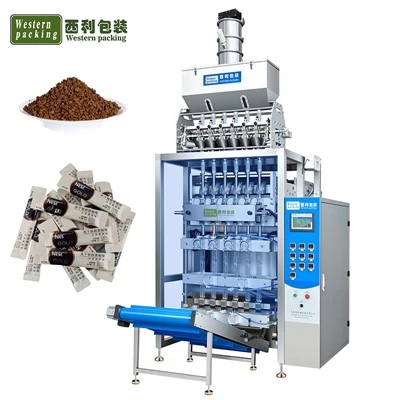
If you’re currently using rigid packaging and ready to make the switch, or you’re curious if your existing machine can handle flexible pouches, don’t overcomplicate it. Reach out to our team to chat through your specific setup, powder type, and packaging goals. We can walk you through what adjustments you might need, how much it will cost, and even set up a demo run on our in-house machines so you can see for yourself how it works. No pressure, no sales pitches, just honest advice from a team that lives and breathes powder packaging every day.
Powder Packaging Machine References:
- Food and Drug Administration (FDA). (2022). Flexible Packaging for Food and Powder Products: Compatibility and Performance Guidelines.
- Packaging Association for Flexible Materials (PAFM). (2021). Adjustments for Integrating Powder Filling Equipment with Flexible Packaging Lines.
- Smith, J. et al. (2020). Dry Powder Packaging Efficiency: Comparing Rigid vs. Flexible Packaging for Small to Mid-Sized Manufacturers. Journal of Packaging Science and Technology.
Guangzhou Western Packing Co., Limited
Guangzhou Western Packing Co., Limited is one of the most professional powder packaging machine manufacturers and suppliers in China, also supports custom service. With abundant experience, we warmly welcome you to wholesale durable powder packaging machine at competitive price from our factory.
Address: No.3, Yilong street, Wulonggang, Zhongluotan Twon, Baiyun District, Guangzhou
E-mail: david@westernpacking.com
WebSite: https://www.westernpackingusa.com/
