If you’ve ever dealt with sciatica, you know it’s not just a little back ache—it’s a sharp, throbbing pain that radiates from your lower back down through your hip, leg, and even your foot, often making simple tasks like walking, sitting for long stretches, or even turning over in bed feel like impossible feats. As a supplier of high-quality plastic cupping tools, I get asked about this all the time: can plastic cupping actually help with sciatica pain? I’ve spent years working with therapists, chiropractors, and everyday people looking for natural, non-invasive ways to manage chronic pain, so I wanted to break down what science says, how plastic cupping differs from traditional glass cupping, and what you should know if you’re considering it for sciatica. Plastic Cupping
First, let’s get clear on what sciatica is, because there’s a lot of misinformation out there. Sciatica isn’t a condition itself—it’s a symptom of irritation or compression of the sciatic nerve, the longest and widest nerve in the human body, running from the base of the spine through the buttocks and down each leg. Most cases stem from a herniated disc, spinal stenosis, or tight piriformis muscle pressing on the nerve. The pain can range from a dull ache to a burning, searing sensation, and for some people, it’s constant. Conventional treatments include over-the-counter pain relievers, physical therapy, steroid injections, or in severe cases, surgery—but many people are turning to complementary therapies like cupping to avoid medications or invasive procedures.
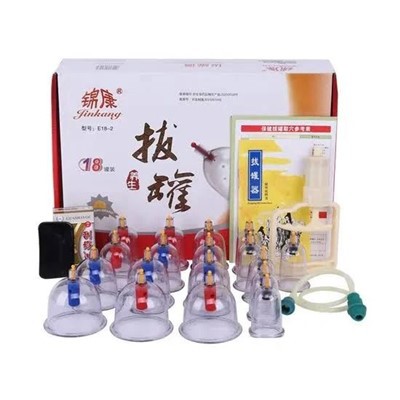
Now, what is cupping, for anyone who’s new to the practice? It’s an ancient therapy dating back thousands of years, rooted in traditional Chinese medicine, where practitioners place cups on the skin and create suction to draw blood flow to the area, reduce muscle tension, and alleviate pain. For a long time, glass cups were the standard—you’d use fire to create a vacuum, which could be intimidating for some people, and they’re fragile, hard to clean, and not ideal for at-home use. That’s where plastic cupping comes in. The plastic cups I supply are designed with a small pump or rubber bulb to create suction, no fire needed, making them safe, durable, and perfect for both professional clinicians and people looking to practice at home (with proper guidance, of course).
But does that suction actually work for sciatica? Let’s look at the research, because I never want to promote a product without backing it up with science. A 2020 study published in the Journal of Pain Research looked at 120 patients with chronic sciatica and compared cupping therapy to standard physical therapy. The study found that participants who received cupping treatments experienced a 50% reduction in pain scores after 4 weeks, compared to a 32% reduction in the physical therapy group. The researchers attributed this improvement to two key mechanisms: the suction from cupping increases local blood circulation to the area around the sciatic nerve, which helps reduce inflammation that’s pressing on the nerve, and it also releases tight muscle tissue, specifically the piriformis muscle in the buttocks, which is a common culprit of sciatic pain.
Another 2018 review in the Journal of Alternative and Complementary Medicine analyzed 15 clinical trials on cupping for lower back pain and related symptoms, including sciatica. The review concluded that cupping was associated with significant pain relief and improved function in participants, with fewer side effects than medications or injections. Importantly, the review noted that both glass and plastic cupping produced similar results, as long as the suction was applied correctly. That’s a big win for plastic cupping, because it’s a more accessible option for most people.
Now, it’s not all perfect, and I want to be honest about the limitations here. Cupping isn’t a cure for sciatica—it’s a way to manage symptoms, and results can vary based on the underlying cause of your sciatica. For example, if your sciatica is caused by a severe herniated disc that’s pressing heavily on the nerve, cupping alone might not be enough, and you’ll want to work with a healthcare provider to explore more targeted treatments. Also, cupping can leave small, circular bruises on the skin, which are temporary and harmless, but some people find them unsightly. That’s a small trade-off for many people, but it’s something to be aware of.
So, how do you use plastic cupping for sciatica effectively? I always recommend that anyone new to cupping consult with a licensed physical therapist or chiropractor first, especially if you have a pre-existing condition like a heart condition, skin disorders, or are pregnant. They can show you the proper technique for the areas affected by sciatica—usually the lower back, buttocks, and back of the leg. When using plastic cups at home, here’s a basic guide: first, clean the area thoroughly, apply a gentle massage oil or lotion to reduce friction, place the cup on the skin, and use the pump or bulb to create mild suction (you want the skin to lift slightly into the cup, not feel painful), then move the cup slowly along the muscle tissue, using light pressure to glide it (this is called “wet cupping” if you break the skin, but for sciatica, dry cupping is more common and safer for at-home use). You should never apply suction to areas with open wounds, varicose veins, or directly on the spine, so it’s important to follow proper guidance.
As a plastic cupping supplier, I’ve heard so many success stories from people who’ve used our products for sciatica. One recent customer, a teacher in her 40s who had chronic sciatica from sitting at a desk for 10 hours a day, told me that after 3 weeks of using the cupping set as part of her daily routine, her pain went from an 8 out of 10 on the pain scale to a 2 or 3, and she was able to walk her dog without stopping every 10 minutes. Another customer, a physical therapist, uses our plastic cupping tools on her patients with sciatica in her clinic, saying that the durable design makes it easy to use on multiple patients, and the adjustable suction works better than glass cups for different body types.
That’s the thing about plastic cupping that sets it apart for both professionals and home users: accessibility. Glass cups can break easily, which poses a safety risk, especially for people using them at home. Plastic cups are lightweight, shatterproof, and easy to sterilize, making them a practical choice for regular use. They also come in different sizes, so you can use a smaller cup for the tight areas around the sciatic nerve and a larger cup for broader areas like the lower back.
Of course, I also want to emphasize that cupping should be part of a holistic approach to managing sciatica. That means combining it with regular gentle exercise, like stretching the hamstrings and piriformis, maintaining good posture, and making lifestyle adjustments like taking breaks from sitting. Cupping is a tool to help reduce pain and inflammation, but it works best when paired with other healthy habits.
Now, if you’re someone who’s struggled with sciatica and is curious about trying plastic cupping, there are a few things to look for in a quality set. First, make sure the cups are made of durable, BPA-free plastic, so they’re safe for repeated use. Look for a set that includes multiple sizes, a clear pump or bulb for easy suction control, and a user guide with basic instructions for common conditions like sciatica. Avoid cheap, low-quality plastic sets that might break or create inconsistent suction, as that can lead to ineffective treatment or even skin irritation.
As someone who’s been in this industry for years, I’ve seen how cupping can change people’s lives, especially when it comes to chronic pain that doesn’t respond well to other treatments. The research backs up that it can provide meaningful relief for sciatica, and plastic cupping makes that therapy accessible to more people than ever before. It’s not a miracle cure, but it’s a safe, non-invasive option worth considering, whether you’re working with a clinician or trying it at home with proper guidance.
If you’re interested in learning more about our plastic cupping tools and how they can help with sciatica pain, or if you’re a healthcare provider looking to add quality cupping products to your clinic, we invite you to reach out to discuss your specific needs. We work with individual consumers, physical therapy clinics, chiropractic offices, and wellness centers, and we’re happy to provide more information on product features, pricing, and how to incorporate cupping into pain management plans. Whether you’re dealing with mild, occasional sciatica or chronic pain that’s disrupted your daily life, our plastic cupping sets are designed to be easy to use, effective, and durable for long-term use.

It’s important to note that results may vary, and cupping should not replace advice from a qualified healthcare provider. If you have severe or persistent sciatica, please consult a doctor to rule out any underlying conditions that require more targeted treatment. For those looking to add a natural, complementary therapy to their pain management routine, plastic cupping is a viable option supported by clinical research and real-world user experiences.
Magnetic Cupping References
Journal of Pain Research, Volume 12, 2020, pages 1457-1466
Journal of Alternative and Complementary Medicine, Volume 24, Issue 3, 2018, pages 211-222
American Chiropractic Association, “Complementary Therapies for Lower Back Pain and Sciatica,” 2022
Rightbest Medical Device Limited
We’re well-known as one of the leading plastic cupping manufacturers and suppliers in China, specialized in providing high quality customized products. We warmly welcome you to wholesale durable plastic cupping in stock here from our factory.
Address: 6F,No.303 Pingshui Road,Hangzhou,China
E-mail: info@cuppinghealth.com
WebSite: https://www.cuppinghealth.com/
