Hey everyone, it’s Mia here, and as someone who’s been working as a yarn-dye scarf supplier for over 7 years, I get asked one question more than any other: “Can I iron my yarn-dye scarf?” And honestly, I don’t blame you. Yarn-dye scarves are such special pieces—those colors are woven into the yarn itself, not just printed on the fabric, so they feel way more premium than your typical fast-fashion scarf. But crumpling happens, right? You toss it in your tote for a meeting, stuff it in a weekend bag, and by the time you pull it out, it looks like a crumpled paper bag. So the urge to iron it is real. But wait—before you grab your iron and start pressing, let’s talk about what actually works, what doesn’t, and why there’s a right (and wrong) way to do this. Yarn-dye Scarf
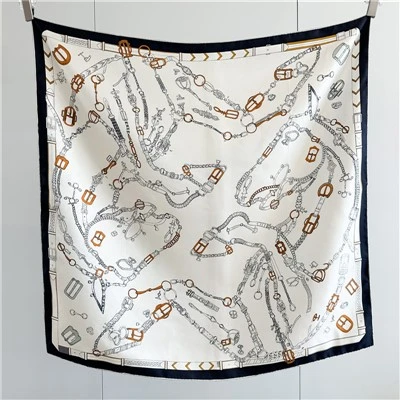
First off, let’s break down what makes a yarn-dye scarf different. Regular scarves might have prints that sit on top of the fabric, but yarn-dye? The fiber is dyed before it’s spun into yarn, then woven or knitted into the scarf. That means the color goes all the way through the material, which is why yarn-dye pieces hold up way better to washing and fading. But it also means they have a little more “texture” to them—sometimes that’s the uneven slub of cotton yarn, sometimes it’s the soft drape of merino wool, sometimes it’s the structured feel of a linen-cotton blend. That texture is part of the charm, but it’s also why ironing is tricky.
So here’s the thing: yes, most yarn-dye scarves can be ironed, but there are huge caveats. I’ve seen customers come to me with scarves that got ruined because they used the wrong heat setting, or pressed too hard, or didn’t use a press cloth. Last year, a regular client brought in her favorite indigo yarn-dye linen scarf—she’d ironed it on high heat, no press cloth, and ended up with a shiny patch right in the middle. It was heartbreaking, because that scarf was her go-to for everything from office days to weekend brunch. I fixed it for her (I’ll share that trick later) but it took way more work than if she’d just done it right the first time.
Let’s start with the fabric types, because that’s the biggest factor here. Not all yarn-dye scarves are made the same, so your ironing rules change depending on what’s in them. Let’s go through the most common ones we supply:
First up, cotton yarn-dye scarves. These are super popular—they’re soft, lightweight, and hold that rich color really well. Cotton can usually handle ironing, but only on medium heat. If you crank it up to high heat, you risk scorching the cotton, especially if it’s a dark color. Dark yarn-dye cotton is gorgeous, but it’s also more prone to showing shine if you press too hard. I always tell customers for cotton yarn-dye scarves: set your iron to the “cotton” or “medium-high” setting (check your iron’s dial—usually that’s around 180-200°C, but don’t stress the exact number, just go with the middle setting for natural fibers). Also, never iron cotton yarn-dye scarves when they’re completely dry. Hang them up slightly damp first—this helps the wrinkles come out without you having to press as hard, and reduces the risk of shine. Oh, and always use a press cloth! A thin cotton handkerchief or an old bed sheet works perfectly. Lay that over the scarf, then iron over it. That way, the direct heat of the iron doesn’t touch the fabric, and you won’t get those shiny patches.
Next is linen yarn-dye scarves. Linen is a total staple for summer—it’s lightweight, breathable, and those faded, washed-out yarn-dye colors are so on-trend. But linen is also super prone to wrinkling, which is why everyone wants to iron it. Here’s the deal: linen can handle high heat, but only when it’s damp. Wait, let’s rephrase—if your linen yarn-dye scarf is completely dry, ironing it on high heat will scorch it so fast you’ll blink and miss it. But if it’s slightly damp (like when you take it out of the dryer while it’s still a little moist, or spritz it with a spray bottle), linen can take high heat. I usually recommend the “linen” setting on your iron, which is around 200-220°C. But again, use that press cloth! Linen is a more porous fiber, so pressing it directly will flatten that natural texture that makes it look so relaxed and cool. Last month, we shipped a batch of light blue linen yarn-dye scarves to a boutique in Portland, and the owner emailed me a week later saying she’d gotten 10 calls from customers asking how to iron them without ruining the texture. I sent her the damp + press cloth tip, and she reported back that no one had any issues—most even said it felt softer after ironing.
Then we have wool yarn-dye scarves. These are the cozy, soft ones for fall and winter—think cream, grey, or forest green, with that rich, deep yarn-dye color. Wool is trickier. It’s a protein fiber, so too much heat or pressure can make it shrink, or leave it feeling stiff, or even melt the fibers a little. Wait, melted wool? Yeah, that’s not pretty, it leaves a shiny, sticky patch. So for wool yarn-dye scarves, ironing is possible, but it’s super low heat. Set your iron to the “wool” or “low” setting—usually around 110-130°C. And here’s the big rule: never press down hard. You should almost just glide the iron over the scarf, like you’re not even trying. Also, definitely use a press cloth, and maybe even flip the scarf inside out before you iron. That way, if there’s any shine or residue, it’s on the inside where no one will see it. I actually had a customer who tried to iron her merino wool yarn-dye scarf once, used high heat, and it got stiff as a board. We ended up steaming it instead—steaming wool is way better, no risk of overheating. More on that in a second.
And what about blends? Like cotton-linen, or wool-silk, or something else. For blends, always go with the lowest common heat setting. If it’s 50% cotton and 50% linen, use the cotton setting, not the linen one. If it’s wool and silk, use the wool setting. That’s the safe way to go, no matter what.
Now, let’s talk about the big alternative to ironing, because a lot of people get nervous about irons anyway—steaming. Steaming is basically foolproof, in my opinion, for yarn-dye scarves. You can use a handheld garment steamer, which is super easy to keep at home or even toss in your travel bag, or you can hang the scarf in the bathroom while you take a hot shower. The steam relaxes the fibers, the wrinkles fall out, and there’s zero risk of scorching or shine. I recommend steaming for all yarn-dye scarves, actually, especially if they’re more delicate. Last year, we launched a line of silk-yarn blend scarves, and the first customer to buy one emailed me a week later saying she’d tried to iron it and it turned out all shiny. I told her to steam it, and she sent me a photo a day later of the scarf looking perfect—no shine, all soft and the color still rich. Steaming is also great if you’re traveling—hang your scarf in the bathroom while you shower, then hang it up to dry for 10 minutes, and it’s wrinkle-free. Way easier than hauling an iron around.
Wait, but what about mistakes? What if you already ironed your yarn-dye scarf wrong, and you’ve got a shiny patch or a scorch mark? I’ve dealt with this a lot, so let’s share some fixes. For a shiny patch, take a soft-bristled toothbrush, gently brush the area in the direction of the fabric’s grain. That lifts the flattened fibers a little, which reduces the shine. Then, if it’s a cotton or linen scarf, spritz it with water and steam it again. For wool, don’t brush too hard—just steam the area a few times, and it should go back to normal. For a minor scorch mark (not a big hole), you can try gently brushing the fibers to remove the top layer of scorched material, or if it’s a dark yarn-dye color, a little fabric dye pen that matches can help touch it up. But obviously, prevention is way better than fixing, so just follow the rules above and you’ll avoid that.
Let’s also bust a myth here. A lot of people think yarn-dye scarves can’t be ironed at all, because the dye will run. No—because the dye is in the fiber. If you’re using the right heat, using a press cloth, and the scarf is slightly damp, the dye won’t run. I’ve been ironing my own yarn-dye scarves for years, and not once has a color faded or run. The only time dye runs is if you’re washing the scarf in hot water, or using bleach, or leaving it in direct sunlight for months. Ironing on the right setting doesn’t affect the dye at all. That’s one of the biggest misconceptions about yarn-dye pieces—people are scared to touch them with an iron, but if you do it right, it’s totally safe.
Now, let’s get into some quick, actionable tips to make this easy. I’ve compiled these for all our customers, and they’ve saved so many scarves:
- Always check the care tag first. We print clear care tags on every yarn-dye scarf we sell, and it will tell you the fabric, recommended heat, and if ironing is even recommended. If you lost the care tag, just use this guide as a rule of thumb.
- Damp = good, dry = bad. For most fabrics, iron when the scarf is slightly damp. You can spritz it with a spray bottle, or hang it up and let it air out for 10 minutes after washing, or take it out of the dryer while it’s still a little moist.
- Press cloth is non-negotiable. I can’t say this enough. Even if you’re ironing cotton on medium heat, a press cloth keeps the fabric from getting shiny or scorched. Grab an old t-shirt cut up, or a thin handkerchief—doesn’t have to be anything fancy.
- Glide, don’t press. Especially for wool and silk. You don’t need to push down hard, just let the iron’s weight do the work.
- If you’re unsure, steam it. 9 times out of 10, steaming will get rid of wrinkles just as well as ironing, with zero risk.
Wait, let’s talk about travel too, because that’s when most people need wrinkle-free scarves. I’m always traveling for trade shows, and I never pack an iron. I just fold my yarn-dye scarf loosely, not crumpling it, and when I get to my hotel, I hang it in the bathroom while I take a hot shower. By the time I’m done showering, the steam has taken all the wrinkles out, and I hang it up to dry for 5 minutes. It’s perfect, no iron needed. I’ve also done this with my customers’ scarves when they bring them to events—no iron, just a steamer, and everyone’s scarves look great.
But here’s the thing: at the end of the day, yarn-dye scarves are meant to have a little life. They’re not crisp, stiff dress shirts. If your scarf has a few natural wrinkles, that’s part of the charm. You don’t need to iron it every single time you wear it. I have a linen yarn-dye scarf that I wear all the time, and it has wrinkles from being in my tote, from being wrapped around my neck, from hanging. It looks relaxed, it looks like it’s been lived in, and that’s exactly what everyone loves about yarn-dye pieces. Ironing is just for when you need it to look extra neat, like for a wedding or a work event where you want your scarf to look polished.
Now, if you’ve got a favorite yarn-dye scarf, or you’re looking for a new one, and you’re still unsure about ironing, that’s totally fine. I’m here to help. We supply high-quality yarn-dye scarves in all different fabrics, colors, and sizes, and we can answer any questions you have about caring for them. Whether you need help figuring out the right iron setting, or you want to pick out a new scarf that fits your style, just reach out to us to chat. We love talking about yarn-dye, we love helping people take care of their pieces, and we’d be stoked to work with you.
Before I sign off, I wanted to note that the info here comes from years of hands-on experience working with different yarn-dye fabrics, working with textile experts who know about fiber and dye, and feedback from hundreds of our customers over the years. When it comes to caring for natural fiber textiles, it’s all about balancing the specific needs of the fiber with what you need to get done—wrinkle-free results without ruining the piece.
Bandana References:
- Textile Institute. (2021). Care guidelines for natural fiber yarn-dyed textiles.
- Woolmark Company. (2022). Best practices for ironing wool and wool-blend fabrics.
- Linen Association of the United States. (2023) Linen care and maintenance for home users.
- Cotton Council International. (2022) Ironing tips for cotton textiles.
- International Silk Association. (2021) Steaming vs. ironing for delicate silk fabrics.
Deqing Boliya Silk Co., Ltd.
Deqing Boliya Silk Co., Ltd. is one of the most professional yarn-dye scarf manufacturers and suppliers in China, featured by quality products and good service. Please rest assured to wholesale the newest yarn-dye scarf in stock here and get quotation from our factory. We also accept customized orders.
Address: Baibiao Industrial Zone, Xinshi Town, Deqing County, Zhejiang Province, China
E-mail: boliya@boliyasilk.com
WebSite: https://www.boliyasilk.com/
