If you’ve spent any time around a farm, you know that a tractor attachment’s blades are one of the most unsung heroes of the workday. Whether you’re mowing hay, tilling soil for planting, or clearing brush after a storm, dull blades don’t just slow you down—they leave your work half-done, put unnecessary strain on your tractor’s engine, and can even damage the attachment beyond repair. As a farm tractor supplier, I’ve talked to hundreds of farmers who’ve put off sharpening their blades only to pay for it later: extra fuel costs, missed planting windows, and expensive replacement parts. Today, I’m breaking down the step-by-step process to sharpen your farm tractor attachment blades safely and effectively, with the kind of practical advice I’ve learned from working side-by-side with farmers for years. Farm Tractor

First, let’s get one thing straight: not all dull blades are the same, and not all sharpening methods work for every attachment. A rotary mower blade, for example, has a curved edge designed to cut cleanly through grass, while a tiller blade has a sharp, angled point that pulls and turns soil. Even a brush hog blade is different—thicker, sturdier, built to cut through thick stems and small saplings. Before you grab your grinder or file, you need to diagnose why your blades are dull. Start by inspecting their edges: if the tip is rounded or smooth, that’s wear from regular use. If you see chips or cracks, that’s usually from hitting a rock, root, or other debris—those blades may need to be replaced entirely, not just sharpened. And always, always turn off your tractor, disconnect the PTO (power take-off) shaft, and remove the blades from the attachment before you do any work. I can’t tell you how many times I’ve heard a story of someone starting a job without locking out the power, and ending up with a minor (or not-so-minor) injury. Safety is non-negotiable here.
Once your blades are off, it’s time to prep them for sharpening. Start by cleaning off caked-on mud, grass clippings, or rust—these not only make it hard to see the edge but can also clog your grinder wheel. A wire brush or a degreaser (just make sure it’s safe for metal) works perfectly here. Next, take a good look at the angle of the cutting edge. This is where a lot of people go wrong: sharpening at the wrong angle can make your blades dull again in a fraction of the time. For most rotary mower blades, the correct bevel angle is between 30 and 45 degrees. Tiller blades usually have a steeper angle, around 45 to 60 degrees, because they need more strength to turn compact soil. Brush hog blades, being heavy-duty, often use a 25 to 35 degree angle—lighter than a tiller, but sturdy enough for thick material. If you’re unsure, check your attachment’s manual, or if you bought it from us (the farm tractor supplier I mentioned earlier), our team is always happy to look it up for you. If you’ve lost the manual, you can also take a photo of the old sharp blade and use that as a guide—match the angle as closely as you can, because consistency is key for balance.
Now, you have two main options for sharpening: a bench grinder or a hand file. Let’s start with bench grinders, which are fast and ideal for regular maintenance. First, secure the blade in a vice so it doesn’t move while you work—this is crucial, as even a tiny slip can create an uneven edge. When using a grinder, always wear safety goggles, work gloves, and a dust mask—grinding creates fine metal shavings that can be dangerous if inhaled or get in your eyes. Hold the blade steady, and bring the grinder wheel to the edge at your pre-determined angle. Don’t press too hard—let the wheel do the work, and move the blade along the edge in a smooth, even motion. If you press too hard, you’ll overheat the metal, which makes it brittle and prone to chipping later. You want to grind until you remove all the rounded or worn metal, and create a sharp, smooth edge. Once you’ve finished one side, flip the blade and do the same on the other side—wait, no, hold on: most single-edge blades (like rotary mower blades) only have one sharp edge, so you only sharpen the bevel side. Double-edged blades, which you might find on some tillers, need to be sharpened on both sides, taking care to keep the angle consistent.
If you don’t have a bench grinder, a hand file is a great alternative, especially for smaller jobs or when you’re out in the field with no power. A 10 or 12-inch flat file works best for most farm blades. Again, secure the blade in a vice, match your angle, and push the file along the edge in a single, smooth stroke—don’t saw back and forth, as this will create a rough, uneven edge. For a hand file, you’ll need to apply a bit more pressure, but take your time; rushing leads to mistakes. One thing I always tell farmers: after sharpening, remove the burr from the back of the blade. A burr is a tiny, sharp metal edge that forms on the non-bevel side when you sharpen. You can do this with a light pass of the file or a sanding block—just enough to smooth it out, not enough to dull the sharp edge.
Once your blades are sharpened, there’s one more critical step: balancing them. Unbalanced blades cause a whole host of problems: they vibrate the attachment, wear out the spindle and bearings faster, put extra strain on the tractor’s PTO, and can even break loose while you’re working, creating a huge safety hazard. Balancing is simpler than it sounds. You can buy a blade balancer from a farm supply store, or do the old-fashioned trick: mount the blade on a nail or a bolt that’s stuck in a wall, so it can spin freely. If one end drops, that end is heavier. Take a small amount of metal off the heavier end—just a few light passes with the grinder or file. Test again, and keep going until the blade stays in any position, not just dropping to one side. I always tell farmers to balance blades every time they sharpen them, because even a tiny difference in weight can cause big issues over time.
Now, a few pro tips from years of working with farm equipment. First, don’t over-sharpen your blades. Every time you grind a blade, you remove a little bit of metal, which shortens its lifespan. For most blades, you should only sharpen them two or three times before it’s time to replace them. If your blade is thinner than 1/4 inch, or if you see cracks near the hole where it attaches to the spindle, replace it—don’t risk it breaking mid-job. Second, don’t sharpen blades when they’re dirty or rusty, as I said before. Rust makes the metal harder, which can dull your grinder or file faster, and uneven wear will throw off your balance. Third, if you hit a large rock or a stump, stop and inspect your blades right away—even if they look fine, a small chip can turn into a crack during the next pass.
As a farm tractor supplier, I also want to remind you that the quality of your blades matters just as much as how you sharpen them. Cheap, thin blades will dull faster, bend easier, and break more often than high-quality, heavy-duty blades. When you do need replacements, our team has a wide range of blades for every type of tractor attachment—from rotary mowers to tillers to brush hogs, all built to stand up to the tough conditions on your farm. We also offer free support to help you choose the right blades for your specific tractor model, so you don’t end up with something that’s too small, too thin, or not durable enough for your work.
Now, let’s talk about maintenance to keep your blades sharp longer. A few minutes of care after each use goes a long way. After you finish mowing or tilling, turn off the tractor, let the blades stop completely, and wipe them down with a rag to remove mud and grass. If you have a rust inhibitor spray, a light coat will prevent rust from forming, which can eat away at the sharp edge over time. Also, store your blades in a dry place—if you take them off for sharpening, don’t leave them out in the elements where rain and dew can cause rust.
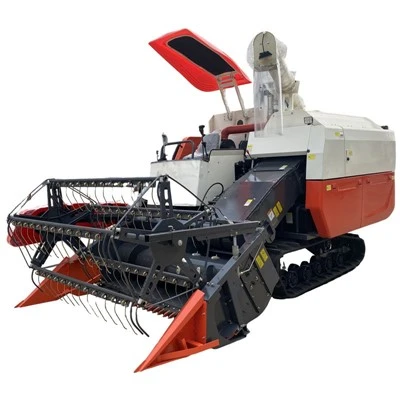
If you’ve ever struggled with dull blades cutting uneven grass, or tillers that bounce instead of turning soil, I’m here to tell you that a little time spent sharpening your blades can make a huge difference in your work. It saves you fuel, reduces wear on your equipment, and makes your job faster and easier. But if you’re not comfortable sharpening blades yourself, or if you need high-quality replacement blades for your tractor attachment, don’t hesitate to reach out. Our team has years of experience working with farmers like you, and we can help you with everything from choosing the right blades to answering questions about sharpening and maintenance. Whether you’re a small family farm or a large commercial operation, we’re here to support your work.
Farm Tractor References
- "Farm Equipment Safety: Power Take-Off (PTO) Hazards." National Agricultural Safety Database, U.S. Department of Agriculture.
- "Tractor Attachment Blade Maintenance and Sharpening Guide." Farm Equipment Manufacturers Association.
- "Metalworking Basics: Bench Grinder Safety and Technique." The Home Depot Pro.
- "Tiller and Rotary Mower Blade Balancing Procedures." University Extension, College of Agriculture and Life Sciences.
- "Choosing the Right Replacement Blades for Farm Tractor Attachments." Farm Journal, Agricultural Equipment Guide.
Huzhou Liangyi Agro Machinery Co., Ltd.
As one of the most professional farm tractor manufacturers and suppliers in China, we have world-leading production equipment and strong manufacturing capabilities. Please rest assured to wholesale advanced farm tractor from our factory. Contact us for more cheap products.
Address: High-Tech Industrial Zone, Huzhou City, Zhejiang Province, China
E-mail: Liangyi_agro@126.Com
WebSite: https://www.cnliangyi-agro.com/
