Hey everyone, if you’ve ever worked with commercial architecture, building codes, or even home renovations that require fire safety upgrades, you’ve probably run into “fire rated glass” before. But if you’re new to this side of the industry, or if you’ve just picked up on the terms “wired” and “non-wired” when talking about fire glass, you might be wondering what the actual difference is. And since I’m a fire rated glass supplier who gets this question like, every single week, I thought I’d break it down plain and simple—no jargon, no confusing industry lingo, just the real stuff that matters when you’re picking the right glass for a project. Fire Rated Glass
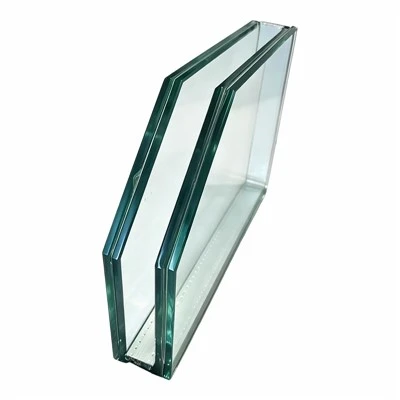
First, let’s get one thing straight: both wired and non-wired fire rated glass are designed to do one core job when a fire hits. They’re not just regular window glass that happens to slow flames down. These are tested, graded products that can resist heat, prevent flames from spreading through openings, and even maintain structural integrity long enough for people to evacuate and first responders to do their job. The difference is in how they’re made, how they perform under fire, and when you’d actually choose one over the other. That’s where most people get mixed up, so let’s dive into each type one by one.
Wired Fire Rated Glass: The OG Fire Glass (And Its Weird Quirks)
Wired fire rated glass—sometimes called wire mesh glass or wired fire safety glass—has been around for way longer than its non-wired counterpart. Here’s how it’s made: during the manufacturing process, while the glass is still molten (super hot liquid, basically), a fine mesh of steel wire is pressed right into the center of the glass sheet. That wire isn’t just a random add-on; it’s woven tight enough to hold the glass together when it shatters.
Wait, let’s test that logic with a real scenario. If a regular window glass breaks from a small impact (like a flying debris during a fire, or even a baseball hitting it), it crumbles into sharp shards that can cut someone or let flames through right away. Wired glass? When it breaks, the wire mesh holds all the glass pieces in place like a net. That’s why back in the day, it was the go-to for things like school windows, commercial building partitions, and even fire doors. But here’s the thing people don’t always tell you about wired fire rated glass: its fire performance is limited.
Most standard wired fire glass is rated for like 20 to 45 minutes. That means it can resist fire for that amount of time, but after that, the heat weakens the wire mesh, or the glass starts to warp too much, and it lets flames through. Also, wired glass has a big aesthetic catch: you can see that wire mesh inside. It’s not a flaw, exactly, but if you’re going for a sleek, modern look—like a storefront window, a glass office wall where you don’t want a grid pattern showing through—that’s a problem. Some people even call it “industrial-looking” because of the wire. It can also be harder to clean around the mesh, since dirt can get trapped in those tiny gaps between the wire and glass.
Another thing: wired glass isn’t great for areas where you need really clear sight lines, like a hospital’s observation window. The mesh distorts light a little, so if you need to see exactly what’s on the other side without blurriness, wired glass might not cut it. But for low-to-medium risk areas—like a closet partition in a retail store, or a window in a basement that’s close to a furnace—wired glass is still a solid, budget-friendly pick. It’s cheaper than most non-wired options, which is a big plus for small businesses or construction projects working with tight budgets.
Non-Wired Fire Rated Glass: The Clear, Modern Workhorse
Now, non-wired fire rated glass is what a lot of architects and contractors are going for these days. Unlike wired glass, it doesn’t have that visible steel mesh inside. The way it’s made is way different—we’re not just adding a metal grid to regular glass. Most non-wired fire glass is either a laminated fire-resistant glass or a ceramic fire glass, sometimes called tempered fire glass. Let’s break that down too, because not all non-wired is the same.
Laminated fire glass is made by sandwiching one or more layers of clear, fire-resistant polymer between two sheets of regular tempered glass. That polymer doesn’t just hold the glass together when it breaks (like the wire in wired glass does); it actually absorbs heat and slows the spread of flames. In a fire, the polymer turns opaque (that’s normal, don’t panic) which means it blocks the flames and smoke from getting through. Ceramic fire glass is even more high-performance: it’s made by heating glass until it’s almost molten, then shaping it into solid sheets that have natural fire resistance. It doesn’t shatter at all under heat, which is a big bonus for high-heat areas.
The biggest perks of non-wired fire glass? First, it’s clear. No visible mesh, no distortion for the most part. You can use it for storefronts, glass partitions in office buildings, elevator walls, even residential windows where you want the view to stay nice. Second, its fire ratings are way higher than wired glass. Most non-wired options are rated for 60, 90, even 120 minutes. That means it can hold up through a much longer fire, which is non-negotiable for high-risk areas—like a server room in an office building, a kitchen in a restaurant, or a multi-story apartment building’s stairwells.
But wait, it’s not all sunshine and clear views. Non-wired fire glass is more expensive than wired glass. Like, a lot more. If you’re working on a small project with a tight budget, shelling out twice as much (sometimes even more) for non-wired might not make sense. Also, some lower-quality non-wired options can scratch easier, or if you use laminated glass, the polymer layer can discolor over time if it’s exposed to too much direct sunlight (that’s a thing—trust me, we’ve had a handful of customers who found that out the hard way). You also can’t just cut non-wired glass on site, unlike some wired glass. Because it’s made with those special layers or ceramic composition, it has to be ordered to size, which adds a little lead time to your project.
When to Pick Wired vs. Non-Wired: The Real Breakdown
Okay, so now you know the basics, but how do you actually choose which one to use? Let’s talk about common scenarios, because that’s what actually matters.
First, pick wired fire glass if:
- Your space is low-risk. Think storage closets, basement windows, or partitions for non-critical spaces like a break room that’s separate from office areas.
- You’re working with a tight budget. Wired is way cheaper upfront, which is a big deal for small business renovations or DIY home projects (though always check local codes for DIY—some places require non-wired for certain areas).
- You don’t care about the aesthetic. If the wire mesh doesn’t bug you, and you just need something that will hold up if a small fire breaks out, wired works perfectly.
Pick non-wired fire glass if:
- You need clear sight lines. Storefronts, office partitions, elevator walls, hospital observation windows—anywhere you don’t want a grid messing up the look or the view.
- You need a longer fire rating. High-risk areas like kitchen walls, server rooms, stairwells in multi-story buildings, or any space where people need extra time to evacuate.
- Local building codes require it. A lot of modern building codes (especially for commercial construction) mandate non-wired fire glass for areas where visibility or high fire resistance is required. That’s not just a suggestion—if you skip it, you could fail a building inspection, which means redoing work and wasting time and money.
Wait, one common myth I get asked all the time: “Is wired glass outdated?” No, not at all. It’s still a totally valid, useful product. A lot of people think because non-wired looks nicer, wired is obsolete, but no—for certain applications, it’s the best choice. I’ve had customers come to me for a small retail store’s back storage area, and they don’t want to drop extra cash on non-wired, so wired is perfect. It meets the code requirements for that space, and it does the job.
Another myth: “Non-wired is always better.” Nope. For really high-heat, prolonged fires, ceramic non-wired is great, but if you don’t need that extra time, paying more is just wasted money. It’s all about matching the product to your actual needs, not just going for the fancy option.
A Quick Note on Installation (Because That’s Half the Battle)
Whether you pick wired or non-wired fire glass, installation matters just as much as the glass itself. If it’s not installed correctly, even the best glass won’t do its job. For example, wired glass needs a specific type of fire-rated sealant around the edges to make sure flames can’t get in through the gaps. Non-wired laminated glass needs a frame that’s compatible with the glass’s thickness—too tight, and it can crack under heat; too loose, and fire can seep through. That’s why a lot of contractors will work with a supplier directly (like me) to make sure they get the right glass and the right installation tips, instead of just grabbing any glass from a big box store.
Final Thought From Someone Who Sells This Stuff Every Day
At the end of the day, the difference between wired and non-wired fire rated glass boils down to two things: performance and look. Wired is the budget, industrial-grade option that’s been working for decades, great for low-risk areas. Non-wired is the clear, high-performance option for when you need better visibility or longer fire resistance.
If you’re still unsure which one is right for your project—whether it’s a new restaurant, a home renovation, or a large commercial build—don’t overthink it. Hit up a reputable fire rated glass supplier (that’s us, by the way) to walk through your needs. We can help you check local codes, compare pricing, and make sure you’re picking something that’s safe, fits your budget, and looks good too.
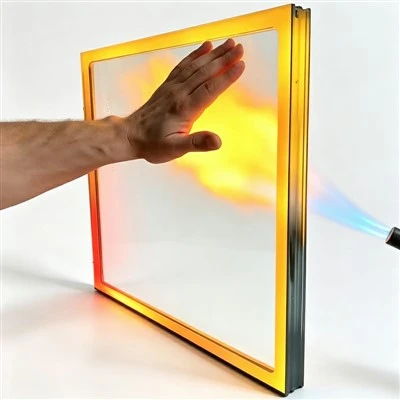
I don’t know about you, but I’d rather not stress about window glass during a fire. That’s why getting the right one the first time is worth the time and effort. Don’t cut corners on fire safety—your building, your employees, or your family will thank you.
References
Fire Rated Glass National Fire Protection Association. (2021). Life Safety Code (NFPA 101). NFPA.
Underwriters Laboratories. (2022). Standard for Safety for Fire Tests of Window Assemblies (UL 972). UL.
Glass and Glazing Federation. (2020). Fire Rated Glass: A Guide for Architects and Contractors. GGF.
Suzhou Dingcheng Tempered Glass Co., Ltd.
As one of the most professional fire rated glass manufacturers and suppliers in China, we also support customized service. We warmly welcome you to wholesale high quality fire rated glass made in China here from our factory. If you have any enquiry about free sample, please feel free to email us.
Address: No.777 Limin North Road, Lili Town, Wujiang District, Suzhou City, Jiangsu Province
E-mail: Dingchengglass@163.com
WebSite: https://www.dingchengglass.com/
