If you’ve ever walked through a water treatment plant—whether it’s a small municipal facility serving a suburban neighborhood or a large industrial site processing water for manufacturing—you’ve probably passed dozens of pipes carrying everything from raw, murky incoming water to clear, disinfected effluent. Every single one of those pipes has a flow measurement device somewhere along its length, and for many plant operators, turbine flow meters are top of mind when it comes to choosing those devices. As a supplier of turbine flow meters, I get asked this question all the time: Can turbine flow meters really hold up in water treatment plants, where conditions range from gritty raw water to corrosive treated wastewater? The short answer is yes—but to understand why, and when they’re the right fit, you have to look beyond the basic way a turbine works and dive into the specific demands of water treatment operations. Turbine Flow Meter
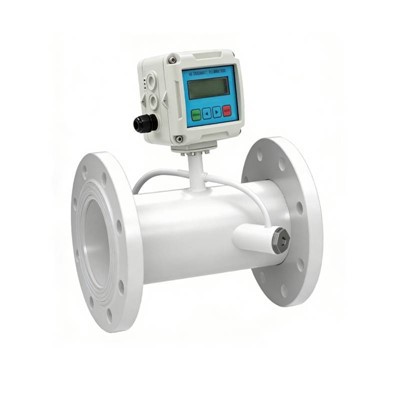
Let’s start with how a turbine flow meter operates, because that core design is what makes it both reliable and, at times, a challenge in water treatment. A typical in-line turbine flow meter has a rotor mounted in the center of the pipe, with angled blades that spin as fluid flows past them. The speed of the rotor is directly proportional to the velocity of the moving fluid, and that relationship is calibrated to convert rotor speed into volumetric flow rate. For clean, consistent fluids like purified water or light oil, this design works seamlessly: the rotor spins smoothly, the calibration holds steady, and measurements are accurate within ±0.5% of actual flow, which is far more precise than many other types of flow meters (like differential pressure meters) for these applications.
But water treatment plants don’t deal with “clean, consistent” fluid most of the time. Let’s walk through a typical treatment process to see where turbine meters are used—and where they need extra care. The first stop at most plants is the raw water intake: that’s where water from a river, lake, or reservoir is pulled in, often carrying sediment, algae, sand, and organic debris. If you tried to run a standard turbine flow meter here, those contaminants would quickly wear down the rotor blades, jam the moving parts, and throw off calibration. That’s why many plants use turbine meters only after the first filtration step, where large debris and grit have been removed. Once water passes through media filters, it’s much cleaner—just small amounts of remaining suspended solids, and that’s where turbine meters shine.
One of the biggest advantages of turbine flow meters in water treatment is their ability to handle a wide range of flow rates without sacrificing accuracy. A treatment plant might need to measure flow at a trickle during off-peak hours, when demand is low, and at full capacity during peak morning or evening use. Turbine meters have a linear performance across a flow range of 10:1 or even 20:1, meaning the ratio of maximum to minimum flow they can measure is much higher than, say, positive displacement meters, which work best at steady, low flow rates. That versatility makes them ideal for measuring flow in pipelines of all sizes—from 2-inch pipes carrying small quantities of chemical additives for coagulation to 48-inch mains moving finished water to a distribution network.
Another key factor for water treatment operators is ease of maintenance, and modern turbine flow meters address many of the old drawbacks that made operators wary of them. Older models required regular disassembly to clean the rotor, which meant shutting down a section of pipe—an expensive and disruptive process for a plant that can’t afford to stop treatment mid-cycle. Today’s design improvements, like built-in strainers and hardened alloy rotors, reduce that need for maintenance. Strainers installed just upstream of the meter catch any remaining fine particles that could damage the blades, while rotors made from 316 stainless steel or even ceramic handle minor abrasion from sand and silt far better than the brass or plastic models of 20 years ago. Some of our clients have told us that after installing our line of turbine flow meters in their filtered water pipelines, they only need to inspect and clean them once every 18 to 24 months, compared to every 6 months with their previous meter type.
Accuracy isn’t just a nice-to-have in water treatment—it’s a regulatory requirement. Municipal water plants are required to report exact volumes of water produced and distributed to local regulatory bodies, and industrial water treatment facilities need precise measurements to optimize chemical dosing. Over-dosing a coagulant like alum can lead to excess sludge production and higher disposal costs, while under-dosing can leave water contaminated with pathogens. Turbine flow meters’ high accuracy means operators can adjust chemical doses in real time, reducing both chemical waste and treatment time. A 2022 study from the Water Environment Federation (WEF) found that facilities using turbine flow meters for chemical feed control reduced chemical costs by an average of 12% annually, simply because they no longer had to over-dose to compensate for imprecise measurements.
Of course, turbine flow meters aren’t the right fit for every part of a water treatment plant. For example, they’re not ideal for measuring raw intake water with high solids content, or for low-flow applications like small batch mixing where positive displacement meters work better. They also require a straight run of pipe upstream and downstream to ensure the flow is evenly distributed before it hits the rotor—if there’s a 90-degree elbow or a valve too close to the meter, the flow will swirl, causing the rotor to spin faster or slower than it should, and accuracy will drop. That’s a detail many plant operators miss when they’re retrofitting old pipes with new meters, but it’s something we always emphasize during the consultation process: planning the installation with proper straight pipe runs ensures the meter performs as intended for years.
Another common question we get is about long-term reliability in water treatment’s often harsh conditions. Treated water, even after disinfection with chlorine or chloramine, can be slightly corrosive, especially in older distribution systems. The same 316 stainless steel that makes the rotor abrasion-resistant also resists corrosion, and our turbine flow meters are tested to withstand exposure to these chemicals without degradation. We also offer options with integrated pulse transmitters, which send real-time flow data to a plant’s SCADA (Supervisory Control and Data Acquisition) system, so operators don’t have to manually take readings every hour—they can monitor flow rates, detect sudden changes that might indicate a pipe leak, and adjust operations remotely. That remote monitoring capability has been a game-changer for many of our clients, especially small plants with only a handful of staff who can’t be in every part of the facility at once.
Let’s talk about a real example to put this in perspective. A municipal plant in Ohio we’ve worked with recently was struggling with its old magnetic flow meters, which kept giving inconsistent readings during peak summer demand, when the plant was operating at 120% of its design capacity. They switched to our inline turbine flow meters in their finished water distribution lines, and within six months, their flow measurement accuracy improved by 8%. They also reported a 7% reduction in chemical costs, because they could adjust the disinfection dose based on the precise flow data from the turbine meters. The plant’s maintenance team said that the turbine meters required less cleaning than their old meters, cutting their monthly maintenance time by about 4 hours—a huge saving for a team that was already stretched thin.
I should also mention that there are different types of turbine flow meters, and not all are suitable for water treatment. There are insertion-style turbine meters, which are installed by inserting a probe into the pipe, and these work well for large-diameter pipes where full in-line meters would be too expensive. The trade-off is that insertion meters can be less accurate than in-line models, so we recommend them for rough measurements or for temporary monitoring, while in-line turbine meters are the best choice for permanent, regulatory-grade measurement. We help clients choose the right type based on their pipeline size, flow rate requirements, and budget, so they don’t end up with a meter that doesn’t fit their needs.
One of the biggest misconceptions about turbine flow meters is that they’re too expensive for water treatment applications. While they may have a higher upfront cost than, say, a basic differential pressure meter, the long-term savings are significant. The WEF study I mentioned earlier also found that the total cost of ownership for turbine flow meters is 25% lower over a 5-year period than other meter types, because of lower maintenance costs, less chemical waste, and fewer downtime events from inaccurate measurements. For a small municipal plant with a $100,000 annual operations budget, that adds up to real money that can be put toward upgrading treatment equipment or improving water quality.
So, to circle back to the original question: Can turbine flow meters be used in water treatment plants? Absolutely—if you choose the right model, install it correctly, and maintain it regularly. They’re not a one-size-fits-all solution, but for most parts of a plant that deal with filtered or finished water, they offer the perfect combination of accuracy, versatility, and long-term reliability. They’ve become one of the most popular flow meter types in the water treatment industry for a reason: they deliver consistent, precise data that operators can use to run their plants more efficiently and comply with regulatory requirements.
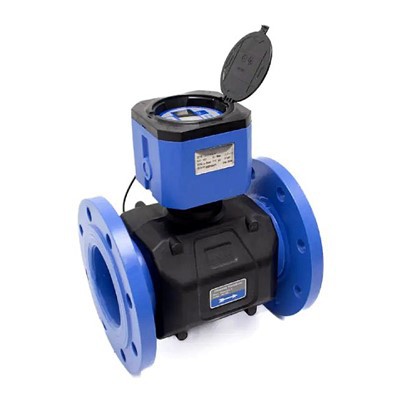
If you’re a water treatment plant operator looking to upgrade your flow measurement equipment, or if you’re considering installing your first turbine flow meters in your process lines, don’t hesitate to reach out. We work with facilities of all sizes, from small rural plants to large industrial wastewater treatment operations, to recommend the right meters for their specific needs, provide installation guidance, and offer ongoing support to keep your meters performing at their best. Whether you’re dealing with raw water intake, chemical dosing, or finished water distribution, turbine flow meters can be a valuable tool to help you run your plant more smoothly and cost-effectively.
Flow Meter References
- Water Environment Federation. (2022). Flow Measurement Best Practices for Municipal Water Treatment Facilities. WEF Press.
- International Society of Automation. (2021). Selection and Installation of Turbine Flow Meters for Process Applications. ISA Standards and Practices Department.
- American Water Works Association. (2020). Water Distribution System Operation and Maintenance Manual, 4th Edition. AWWA.
- Miller, J. (2021). “A Comparison of Flow Meter Technologies for Corrosive Water Applications.” Journal of Water Process Engineering, vol. 42, p. 102158.
Dalian Yheng Technology Co., Ltd.
Dalian Yheng Technology Co., Ltd. is one of the leading turbine flow meter manufacturers and suppliers in China, also supports customized service. We warmly welcome you to buy high quality turbine flow meter in stock here from our factory. Contact us for more details.
Address: F1605, NO.10 Huoju road, High-tech Industrial Zone, Dalian, China
E-mail: admin@dlyheng.com
WebSite: https://www.yhengphmeter.com/
