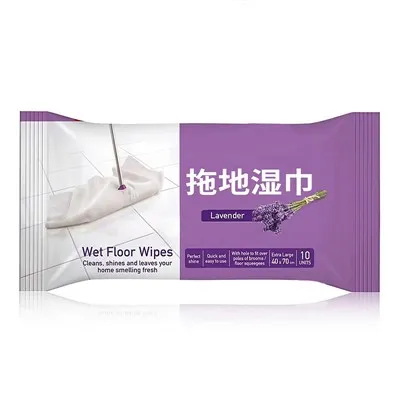
Dusters can play a crucial role in maintaining the cleanliness and aesthetic appeal of various types of floors, including vinyl floors. As a duster supplier, I’ve encountered numerous questions from customers about the compatibility of dusters with vinyl floors. In this blog post, I’ll delve into the details of whether dusters can be used on vinyl floors, exploring the benefits, potential drawbacks, and best practices for using dusters on this flooring type. Dusters
Understanding Vinyl Floors
Before discussing the use of dusters on vinyl floors, it’s important to understand the nature of vinyl flooring. Vinyl floors are a popular choice for many homeowners and commercial spaces due to their durability, affordability, and wide range of styles. They are made from synthetic materials, typically polyvinyl chloride (PVC), and come in various forms, including sheet vinyl, vinyl tiles, and luxury vinyl planks (LVP).
Vinyl floors are known for their resistance to water, stains, and scratches, making them suitable for high-traffic areas such as kitchens, bathrooms, and entryways. However, they can still accumulate dirt, dust, and debris over time, which can affect their appearance and longevity if not properly cleaned.
Benefits of Using Dusters on Vinyl Floors
Using dusters on vinyl floors offers several benefits, making them a practical and effective cleaning tool. Here are some of the key advantages:
1. Gentle Cleaning
Dusters are designed to pick up dust and debris without scratching or damaging the surface of the vinyl floor. Unlike abrasive cleaning tools such as scrub brushes or steel wool, dusters have soft fibers that gently glide over the floor, removing dirt and dust particles without leaving behind any scratches or marks.
2. Efficient Dust Removal
Dusters are highly effective at removing dust and fine particles from the surface of vinyl floors. Their electrostatic properties allow them to attract and hold onto dust, making it easy to collect and remove from the floor. This helps to keep the floor clean and reduce the amount of dust that can settle into the crevices and seams of the vinyl flooring.
3. Time-Saving
Using a duster to clean vinyl floors is a quick and easy process that can save you time and effort. Unlike traditional mopping methods, which require you to wet the floor and wait for it to dry, dusting can be done quickly and without the need for water or cleaning solutions. This makes it a convenient option for regular floor maintenance, especially in busy households or commercial spaces.
4. Reduced Chemical Exposure
Many dusters are designed to be used dry, which means you can clean your vinyl floors without the use of harsh chemicals or cleaning solutions. This is not only better for the environment but also reduces the risk of chemical exposure to you and your family. Additionally, using a duster to clean your floors regularly can help to prevent the buildup of dirt and grime, reducing the need for more frequent deep cleaning with chemicals.
Potential Drawbacks of Using Dusters on Vinyl Floors
While dusters offer many benefits for cleaning vinyl floors, there are also some potential drawbacks to consider. Here are a few things to keep in mind:
1. Incomplete Cleaning
Dusters are effective at removing dust and fine particles from the surface of vinyl floors, but they may not be able to remove larger debris or stains. If your floor has stubborn dirt, spills, or stains, you may need to use a more aggressive cleaning method, such as mopping with a cleaning solution or using a specialized vinyl floor cleaner.
2. Static Electricity
Some dusters can generate static electricity as they are used, which can cause dust and debris to stick to the floor rather than being picked up by the duster. This can make it more difficult to clean the floor and may require you to use a different cleaning tool or technique.
3. Fiber Shedding
Certain types of dusters, particularly those made from natural fibers such as cotton or wool, may shed fibers onto the floor as they are used. These fibers can be difficult to remove and may leave behind a fuzzy or linty residue on the floor. To avoid this issue, choose a duster that is made from synthetic fibers or has a low-shedding design.
Best Practices for Using Dusters on Vinyl Floors
To ensure that you are using dusters effectively and safely on vinyl floors, here are some best practices to follow:
1. Choose the Right Duster
There are many different types of dusters available on the market, each with its own unique features and benefits. When choosing a duster for your vinyl floors, look for one that is specifically designed for use on delicate surfaces and has soft, non-abrasive fibers. Microfiber dusters are a popular choice for cleaning vinyl floors because they are highly effective at picking up dust and debris and are gentle on the surface of the floor.
2. Use a Dry Duster
In most cases, it’s best to use a dry duster on vinyl floors. Wet dusting can introduce moisture to the floor, which can cause the vinyl to warp, buckle, or delaminate over time. If your floor has stubborn dirt or stains that require a wet cleaning, be sure to use a damp mop or a specialized vinyl floor cleaner and follow the manufacturer’s instructions carefully.
3. Clean the Duster Regularly
To keep your duster working effectively, it’s important to clean it regularly. Depending on the type of duster you are using, you may be able to wash it in the washing machine or rinse it under running water. Be sure to follow the manufacturer’s instructions for cleaning and care to ensure that the duster retains its effectiveness.
4. Dust in the Right Direction
When using a duster on vinyl floors, it’s best to dust in the direction of the grain or pattern of the flooring. This will help to prevent the duster from leaving behind streaks or scratches on the surface of the floor. If your vinyl floor has a smooth, uniform surface, you can dust in any direction.
5. Combine with Other Cleaning Methods
While dusting is an effective way to remove dust and debris from vinyl floors, it’s not the only cleaning method you should use. To keep your floors looking their best, it’s important to combine dusting with other cleaning methods, such as mopping with a cleaning solution or using a specialized vinyl floor cleaner. Be sure to follow the manufacturer’s instructions for cleaning and care to ensure that you are using the right products and techniques for your flooring type.
Conclusion
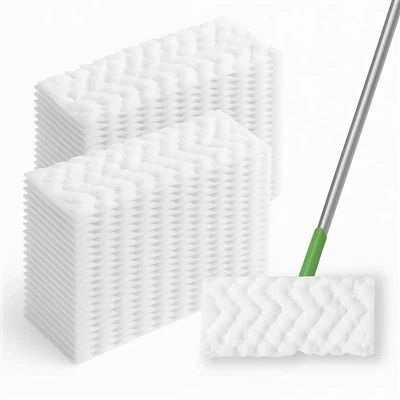
In conclusion, dusters can be used on vinyl floors and offer several benefits, including gentle cleaning, efficient dust removal, time-saving, and reduced chemical exposure. However, it’s important to choose the right duster, use it correctly, and combine it with other cleaning methods to ensure that your vinyl floors remain clean and in good condition. By following the best practices outlined in this blog post, you can keep your vinyl floors looking their best and enjoy a clean and healthy home or commercial space.
Wet Wipe If you’re interested in purchasing high-quality dusters for your vinyl floors or other cleaning needs, I encourage you to contact me to discuss your requirements. I’m a duster supplier with a wide range of products to choose from, and I’d be happy to help you find the right duster for your specific needs. Let’s work together to keep your floors clean and beautiful!
References
- "Vinyl Flooring: A Complete Guide." HomeAdvisor.
- "How to Clean Vinyl Floors." Bob Vila.
- "Best Dusters for Cleaning Vinyl Floors." The Spruce.
Shanghai Zhaotine Smart Home Company Limited
We’re well-known as one of the leading dusters manufacturers and suppliers in China, specialized in providing high quality customized products. We warmly welcome you to wholesale bulk high quality dusters made in China here from our factory.
Address: Huanjing town, luhe town, textile industrial zone, Jiangsu province, China
E-mail: doris@zhaotine.com
WebSite: https://www.clean-wow.com/
