If you’ve ever stood in a warehouse on a sweltering summer afternoon, watching insulation wrap peel off a duct and let cool air escape into the heat, you’ve felt the quiet frustration of good insulation paired with bad adhesion. As someone who’s spent the last 12 years selling aluminum foil insulation tape, I get questions all the time: Does this stuff actually stick? Is the adhesive strong enough to hold up under real-world conditions, or is it just a fancy wrapper that fails when you need it most? For years, I saw customers waste money on cheap tape that lasted 6 months tops, then watched them switch to products I supply—some of which have held up for over a decade in harsh industrial and residential settings. Today, I want to pull back the curtain on what makes aluminum foil insulation tape’s adhesive strength work, how it’s tested, and why that strength isn’t one-size-fits-all. Aluminum Foil Insulation Tape
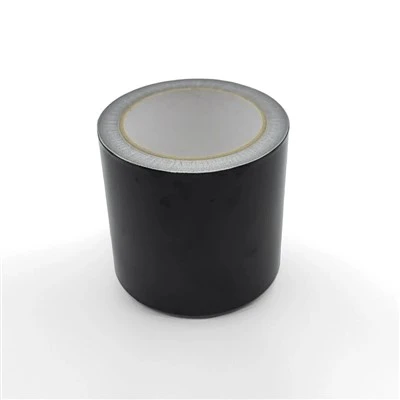
First, let’s get clear on what aluminum foil insulation tape is and what its adhesive is designed to do. This isn’t the generic tape you use to wrap a gift or secure a box. It’s a specialized product made for sealing seams on fiberglass or mineral wool insulation, attaching vapor barriers to HVAC ducts, taping around pipe penetrations in wall cavities, and even wrapping exposed ductwork in commercial buildings. Its core job is two-fold: first, to create an airtight, moisture-proof seal that keeps conditioned air where it belongs, and second, to hold that seal through extreme temperatures, humidity, UV exposure, and even physical vibration. None of that works if the adhesive fails.
A lot of people assume “sticky is sticky”—but that’s not true. The adhesive on aluminum foil insulation tape is far more engineered than regular pressure-sensitive adhesive (PSA). There are three main types used in this industry, and each has its own adhesive strength profile. The first is acrylic adhesive, the most common for general residential use. Acrylic is water-based, so it’s non-toxic and stays flexible across a wide temperature range—from -40°F to 200°F, in most cases. It bonds well to clean, dry surfaces like metal ductwork, fiberglass insulation, and even painted drywall, and it resists yellowing when exposed to UV light, which makes it ideal for applications where the tape might be visible, like crawl spaces or unconditioned attic spaces. The second type is rubber-based adhesive, often a synthetic butyl or natural rubber blend. This is the workhorse for industrial and high-moisture settings, like refrigeration lines or outdoor pipe work. Rubber-based adhesive has higher initial tack (that instant stick when you press it down) and better resistance to moisture seepage, but it’s more prone to breaking down in extreme heat, so it’s not recommended for surfaces that get hotter than 180°F. The third is silicone adhesive, the premium option for the harshest environments—like exhaust ducts in restaurants, or industrial furnaces where temperatures can hit 500°F. Silicone adhesive stays elastic through extreme heat and cold, but it’s more expensive and requires very specific surface preparation to bond properly.
So how do we actually measure adhesive strength? This isn’t just a “stick it to your hand and see if it falls off” test. The insulation tape industry uses standardized tests set by organizations like ASTM International, the governing body for most industrial materials testing. The two most common tests are peel adhesion and shear adhesion. Peel adhesion measures how much force is needed to pull a 1-inch wide strip of tape off a clean test surface at a 180-degree angle, at a consistent speed. For aluminum foil insulation tape, the minimum peel adhesion required for most applications is around 15 N/in (newtons per inch) on a steel surface—meaning you have to pull with 15 pounds of force to peel each inch of tape. But high-quality products I supply often hit 25-30 N/in, which is more than enough to withstand temperature fluctuations and minor vibration. Shear adhesion, on the other hand, measures how much weight a strip of tape can hold before sliding off a surface, under constant temperature. A good aluminum foil insulation tape will hold over 1,000 grams for 24 hours at room temperature, and specialized industrial grades can hold 5,000 grams or more at higher temperatures. That’s the difference between a tape that peels off after a year and one that stays in place for 10.
But here’s the catch: adhesive strength is only as good as the surface it’s bonding to, and how you apply the tape. I’ve seen too many customers buy the highest-rated tape, then cut corners on installation and wonder why it failed. For adhesive to work at full strength, the surface has to be clean, dry, and free of any dust, oil, mold, or loose paint. If you’re taping a duct that has a layer of dirt from construction, the adhesive can’t grip properly—even a great tape will fail here. Temperature also matters: applying tape to a surface that’s too cold (below 50°F) or too hot (above 100°F) will weaken the bond. That’s why we always recommend letting tape acclimate to room temperature for 24 hours before use, and applying it when surfaces are at least 50°F. Even the best acrylic adhesive won’t stick properly to a frozen metal pipe.
Another common misconception is that adhesive strength stays the same forever. In reality, all adhesives degrade over time, but high-quality aluminum foil insulation tape is formulated to slow that degradation. UV exposure is one of the biggest enemies, because it breaks down the polymer chains in the adhesive. That’s why the foil backing on the tape isn’t just for insulation—it’s a barrier that blocks 99% of UV light, preventing the adhesive from breaking down when the tape is exposed to sunlight in an attic or outdoor crawl space. Moisture is another factor: acrylic adhesive resists water better than rubber-based, but if the seam isn’t completely sealed, water can seep under the tape and lift it. That’s why using a tape with a 2-inch overlap on seams is standard practice—not just for air sealing, but to add extra adhesion support.
I’ve seen this play out firsthand with a commercial client last year. A restaurant in downtown Chicago had installed cheap aluminum foil tape on their exhaust ducts three years prior, and by summer, the tape was peeling off in chunks, leading to a failed health inspection. They replaced it with our industrial-grade butyl-based tape, specifically formulated for high heat and humidity. Six months later, their maintenance team reached out to say it was still holding, even through the sweltering Chicago summer where duct temperatures hit 190°F regularly. Compare that to a residential customer in Arizona who used our general acrylic tape in their attic: three years later, they called to say it was still sealing their HVAC lines, even with daily temperature swings from 60°F at night to 110°F during the day. That’s the power of matching the right tape’s adhesive strength to the job.
Now, let’s talk about what makes a supplier’s tape different from a cheap generic. I’ve been in this game long enough to know that not all aluminum foil insulation tape is created equal. The raw materials matter: cheap foil is thin and has a inconsistent coating, so the adhesive is unevenly spread, leading to weak spots where it can peel. The adhesive itself: some manufacturers cut corners by using cheaper filler materials in the adhesive, which reduces its flexibility and strength. I test every batch of tape before I offer it to customers— I run peel tests, shear tests, age them in climate-controlled chambers to simulate 10 years of temperature and UV exposure, because I want to know it will hold up when my customers rely on it.
I’ve also had customers ask me if they should pay more for a tape with higher adhesive strength. The answer is: if it’s the right tape for your application, absolutely. Paying a few cents more per roll for a tape that lasts 10 years instead of 1 means you’re saving money long-term, not wasting it. The downside of choosing a weak adhesive tape is not just re-taping every year—it’s higher energy bills from air leaks, water damage to insulation, and even safety issues if it’s on a critical duct system. For example, in industrial settings, a failing tape on a furnace duct can lead to heat loss, higher fuel costs, and even fire risks if the duct overheats.
At the end of the day, the question “does aluminum foil insulation tape have good adhesive strength?” isn’t a yes or no answer—it’s “it depends.” It depends on what type of adhesive is used, the quality of the materials, how it’s tested, how it’s applied, and whether it’s matched to the job at hand. As a supplier, my job isn’t just to sell tape—it’s to help customers choose the right tape for their specific needs, whether that’s a general acrylic tape for a residential attic, a butyl tape for a commercial refrigeration line, or a silicone tape for an industrial exhaust system. I’ve seen too many people make the mistake of grabbing the cheapest roll at the hardware store, only to deal with peeling tape and costly repairs months later.
If you’re working on a project, big or small, and you want aluminum foil insulation tape that has consistent, reliable adhesive strength built for real-world conditions, reach out to me to talk through your needs. We can go over application requirements, temperature ranges, and any other details to make sure you get a tape that will hold up for years, not just months. Don’t let weak adhesive sabotage your insulation or your project—let’s work together to find the right solution for you.
Self Adhesive Aluminium Tape References
ASTM International. (2019). Standard Test Method for Peel Adhesion of Pressure-Sensitive Tape (180-Degree Peel). ASTM D3330.
ASTM International. (2020). Standard Test Method for Shear Adhesion of Pressure-Sensitive Tape. ASTM D1002.
The National Insulation Association. (2021). Best Practices for HVAC Duct Sealing and Insulation. NIA Technical Bulletin 103.
Deqing Hongxin New Material Technology Co., Ltd.
As one of the most professional aluminum foil insulation tape manufacturers and suppliers in China, we also support customized service. Please feel free to wholesale high quality aluminum foil insulation tape in stock here from our factory. Welcome to contact us for quotation.
Address: No. 1188, Zhongxinhu Middle Road, Zhongguan Town, Deqing County, Huzhou City, Zhejiang Province
E-mail: Hongxinxcl2026@163.com
WebSite: https://www.hxnewmat.com/
