If you’re in the market for axial flow fans (or already relying on them for your HVAC, industrial, or agricultural operations), you’ve definitely wondered at some point: how long do these things actually last? As someone who’s been supplying axial flow fans for over a decade—chatting with mechanics, plant managers, and small business owners every single week—I can tell you this answer isn’t one-size-fits-all. It depends way more on how you use, maintain, and install the fan than on the brand (though buying a quality fan from a reputable supplier like ours helps A LOT). Let’s break this down like we would over a coffee at a trade show, no stuffy jargon promise. Axial Flow Fans
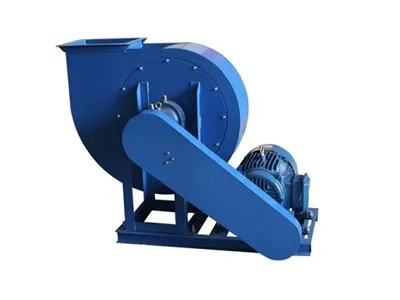
First off, let’s get the baseline out there. For most everyday axial flow fans, the average lifespan lands somewhere between 8 to 15 years. Wait, that’s a huge gap, right? Let’s dig into that. A fan that’s running in a perfect, controlled environment—like a clean, climate-controlled server room that’s used 24/7—might hit the 15-year mark no problem. But a fan that’s hauling dusty sawmill air, running non-stop in a sweltering warehouse, or being cranked up and shut off multiple times a day? That could start showing wear signs in 5 years, maybe even less if you skip basic maintenance.
Let’s start with what actually makes an axial flow fan tick, because that’s where the real-life differences come in. Unlike centrifugal fans that push air sideways, axial flow fans move air straight through the unit, like a big, high-powered ceiling fan on steroids. The core parts are the motor, the blades, the hub, and the bearings. Each of these parts ages differently, and how you treat them dictates how long the whole fan lasts.
The motor is the heart here, duh. If you’ve ever had a ceiling fan motor burn out after years of use, you know how crucial that part is. For axial flow fans, most good quality motors (like the ones we supply) are built with either open drip-proof (ODP) or totally enclosed fan-cooled (TEFC) designs. ODP motors are cheaper and work great for clean, low-dust environments, but they’re more prone to getting gunk in the windings, which overheats them. TEFC motors are sealed tight, so dust, moisture, and grime can’t get in—they cost a bit more upfront, but they often last 2 to 3 years longer than ODP in tough conditions. That’s a no-brainer for heavy-use industries like construction or agriculture.
Then there are the blades. Axial flow blades are usually made of metal (steel or aluminum) or plastic (PVC or composite). Metal blades are sturdier, can handle higher temperatures and harsher air, but they’re prone to corrosion if they’re exposed to moisture or corrosive fumes (like in a food processing plant that uses cleaning chemicals, or a chemical storage facility). Plastic blades are lighter, cheaper, and corrosion-resistant, but they can warp or crack if they get too hot, or if there’s a lot of vibration. I’ve seen plastic blades on greenhouse fans get all warped after 7 years because of constant sun exposure, while aluminum blades on a mine ventilation fan are still going strong after 12 years.
Bearings are the unsung heroes of any fan. They keep the shaft spinning smoothly, no grinding, no wobbling. Most axial flow fans use either ball bearings or sleeve bearings. Ball bearings are the heavy lifters—they handle high speeds, heavy loads, and frequent starts/stops way better. They’re the ones you want if your fan is running 24/7, or if you’re turning it on and off multiple times a day. Sleeve bearings are simpler, cheaper, but they wear out faster, especially if the fan is running at high speeds. A fan with sleeve bearings might need replacement in 3 to 5 years, while ball bearings can last 8 to 10 years with basic care.
Okay, so that’s the parts side, but now let’s talk about the big factors that actually shorten or extend lifespan—these are the ones that most people don’t think about until their fan dies on them.
First up: load and usage. How often is your fan running? How hard is it working? A fan that’s running 24/7, moving 10,000 CFM of air, is going to wear out way faster than a fan that only runs 8 hours a day. I had a client last year who ran axial flow fans in a warehouse that never turned off, summer or winter, because they had no AC. Those fans were on for 3 years straight, and we had to replace the motors and bearings on all of them before they hit year 5. Another client— a small bakery—used their axial flow fans only during baking hours, 12 hours a day, 5 days a week. Their fans are coming up on 10 years old and still running like a champ, only needed a bearing replacement once. That’s the difference right there.
Then there’s the environment. This is huge. Let’s categorize common environments:
-
Clean, controlled: Server rooms, office HVAC, greenhouse (if it’s a well-sealed one), indoor sports facilities. These are the ideal spots for axial flow fans. No dust, no moisture, consistent temperatures. Fans here often hit 12 to 15 years, sometimes even more if you do basic checks.
-
Moderate dust/moisture: Retail warehouses, light manufacturing, small workshops. Lifespan here is usually 8 to 12 years, as long as you clean the fan regularly.
-
Harsh conditions: Sawmills, mines, chemical plants, agricultural barns (full of hay dust, manure gas), construction sites. These are the tough ones. Fans here can easily wear out in 5 to 8 years, sometimes even less if you don’t keep them clean. I once had a logging client who used axial flow fans in a sawdust pit—those fans were full of fine sawdust within a year, the dust got into the motor windings and burned them out after 2 years. Ouch.
Next: installation. You can buy the best fan on the market, but if you install it wrong, it won’t last half as long. Most people think “just plug it in and mount it” but there’s more to it. Proper mounting is key—if the fan isn’t mounted straight, the blades will wobble, which puts extra stress on the bearings and motor, leading to early failure. Also, if the fan is sized wrong for your space, it’s either working too hard (if it’s too small, straining to move enough air) or cycling on and off too much (if it’s too big, short-cycling), both of which wear parts faster. A lot of small business owners skip hiring a professional to size and install the fan, and that’s where the lifespan gets cut short. I’ve seen a fan that was incorrectly mounted 2 degrees off the horizontal, and the bearings wore out in 2 years instead of 8. That’s not the fan’s fault, that’s installation.
Then: maintenance. This is the biggest one, hands down. Most people buy a fan, install it, and forget it until it stops working. That’s a rookie mistake. Axial flow fans don’t need monthly tune-ups, but a few simple checks twice a year (or every 5000 hours of run time) will add years to its life. What kind of checks? First, clean the blades and the motor housing—remove dust, grime, and debris that builds up, because that extra weight makes the motor work harder, and dust can clog cooling vents on TEFC motors, causing overheating. Second, check the bearings for play or noise—if you hear a grinding or squealing sound when the fan is running, that’s a sign the bearings are going bad, and replacing them early can save you from replacing the whole motor. Third, tighten any loose bolts or connections—vibration can loosen mounts, blade bolts, and wiring over time, which leads to more stress on the fan. I had a client who skipped maintenance on their warehouse fan for 7 years, and when they finally checked it, the blade bolts were loose, one blade was hanging at a weird angle, and the motor was burning up. We replaced the bearings and retightened everything, and that fan is still running after 10 years. If they’d kept up with maintenance, it would probably go another 5.
Wait, what about common issues that make fans die early, unrelated to age? Things like power surges—lightning strikes, bad electrical wiring can fry a motor in a second, way before its time. Or foreign objects getting into the fan—like a bird’s nest, a piece of wood, or debris from construction. I had a client at a construction site where a piece of metal shard flew into the fan blades, bent them, and the whole fan seized up in an hour. That’s not a lifespan thing, that’s an accident, but it’s a real thing that happens all the time.
Let’s also talk about when you should actually replace your axial flow fan, instead of fixing it. If your fan is hitting 10 years old, and it’s starting to make weird noises, vibrate a lot, or use way more electricity than it used to, it’s probably at the end of its natural life. Trying to fix it might cost as much as a new fan, and new axial flow fans are way more efficient than ones built 10+ years ago—so replacing it will save you money on your energy bill too. I always tell clients: if your fan is over 8 years old and giving you issues, don’t waste money on quick fixes, get a new one that’s built to last, and comes with a warranty.
Now, as a supplier, I can tell you what we do to make our axial flow fans last longer. We use high-grade ball bearings for heavy-use models, TEFC motors that can handle dust and moisture, and corrosion-resistant blade materials (aluminum for industrial, composite for agricultural). We also give our clients a free guide on maintenance when they buy a fan from us, because we don’t just sell a fan and forget about you—we want it to work for as long as possible, same as you do.
Wait, let’s wrap this up with a quick recap so you don’t have to take notes. The average lifespan of an axial flow fan is 8 to 15 years, but that number drops or rises based on:
- What it’s made of (TEFC motors, ball bearings = longer life)
- How often you run it (non-stop runs shorter)
- Where it’s installed (clean environments = longer life)
- How well you maintain it (cleaning blades, checking bearings = adds years)
- Proper installation (correct size, straight mount = avoids early stress)
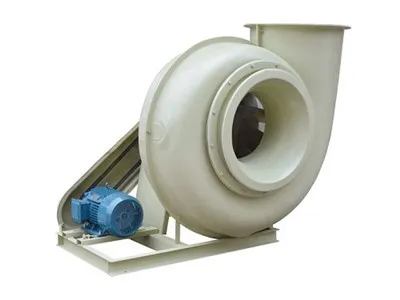
If you’re wondering if your axial flow fan is nearing the end, or if you need a new one that will last, hit us up to chat about your specific setup. We can help you size the right fan for your space, explain the best materials for your environment, and walk you through a simple maintenance plan to keep it running for years. No pushy sales talk, just honest advice from someone who’s been in this game for years and knows these fans inside and out.
Centrifugal Fans References:
- ASHRAE Handbook, HVAC Systems and Equipment, Chapter 21: Fans (2021)
- Air Movement and Control Association (AMCA) International, Fan Application and Maintenance Guidelines (2022)
- U.S. Department of Energy, Energy Efficiency Improvement Opportunities for Industrial Fans and Blowers (2020)
- Industrial Ventilation: A Manual of Recommended Practice, American Conference of Governmental Industrial Hygienists (ACGIH), 29th Edition (2022)
Shandong Qiyue Fan Co., Ltd.
With abundant experience, we are one of the most reliable axial flow fans manufacturers and suppliers in China. Please feel free to wholesale high quality axial flow fans made in China here from our factory. We also accept customized orders.
Address: Dongchen Industrial Park, Zhoucun District, Zibo, Shandong, China
E-mail: sales@qiyuefan.com
WebSite: https://www.qiyuefan.com/
