If you’ve ever stared at a stained duvet cover, half in panic and half wondering if tossing it in the washer will shrink it beyond recognition, you’ve probably found yourself asking the same question I hear from customers all the time: What is the actual cost of dry cleaning a duvet cover? As a duvet cover supplier who’s been working with fabric care for over a decade, I’ve had more conversations about this than I can count—from new homeowners testing their first set of linen duvet covers to families with kids who turn delicate cotton into a canvas of pizza stains and juice spills. Let’s break this down, not just as a number, but as something that ties into the quality of what we sell, and the choices everyone makes between at-home care and professional dry cleaning. Duvet Cover
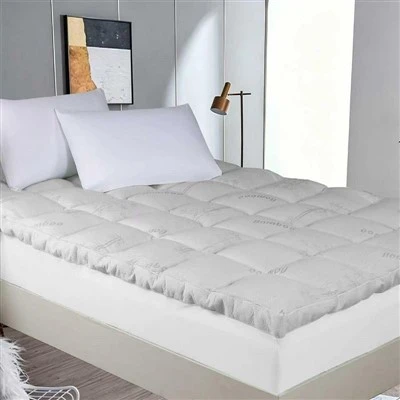
First, I need to be clear: there’s no one-size-fits-all answer to the cost of dry cleaning a duvet cover. It shifts depending on three big things: the fabric of the cover, where you live, and the dry cleaner you pick. For a basic cotton duvet cover, which is the most popular material we supply, the average cost is between $15 and $25. But if you’ve got a linen, silk, or modal cover—those fancier options people love for their breathability and softness—you’re looking at $25 to $40. Why the gap? Let’s start with fabric. Cotton is durable, can handle standard dry cleaning solvents without too much extra prep, and most cleaners have it down to a streamlined process. Linen, though, is more porous; it needs a gentler solvent to avoid dulling the weave, and sometimes a hand-pressing step that adds time. Silk is even trickier—any harsh chemicals can leave watermarks or make the fabric brittle, so a lot of dry cleaners label silk duvet covers as “delicate only,” which bumps up the price because the technician has to pay extra attention during every step.
Location is another huge factor. I live in a mid-sized city in the Midwest, and the dry cleaners near my shop charge $18 for a standard cotton duvet cover. But last year, I helped a customer in Manhattan who paid $38 for the same type of cover—New York City’s rent and operational costs are way higher, so every service is more expensive. Even smaller towns can have variation: a rural dry cleaner might charge $12 for a cotton cover because their overhead is lower, while a suburb outside a major city could charge $22. It’s not just greed; it’s basic business—cleaners have to pay for space, solvents, and labor, just like anyone else.
Now, a lot of people ask me why they can’t just throw their duvet cover in the washing machine. I get it—laundry detergent and a spin cycle seem way cheaper, but it’s not always that simple. The covers we supply are designed to hold up to regular use, but not every fabric works for at-home washing. For example, linen duvet covers shrink if you use hot water or a high-heat dryer, which is something I always note in our product care guides. Silk will fade if you use a regular laundry detergent, and even some high-quality cotton has a specific weave that doesn’t hold up well to harsh agitating in a home washer. When you dry clean, you’re using a chemical solvent (most places use perc, which is the standard, or newer eco-friendly solvents like hydrocarbon or CO2) that removes oil-based stains—think coffee, cooking grease, or makeup—without the same risk of shrinking or fading that water-based washing has. That said, I always tell customers: if your duvet cover is a basic cotton that’s not heavily soiled, a gentle cycle in cold water with mild detergent and air-drying works just fine, and it’ll save you the dry cleaning cost. The expense is worth it when you’re dealing with tough stains or delicate fabrics.
Wait, but there’s more to the dry cleaning cost than just the basic service. If your duvet cover has any embellishments—lace trim, embroidery, sequins, or buttons—you’re going to pay extra. Lace, for example, can snag on the dry cleaning machines, so a technician has to hand-wash the trim part before processing the rest of the cover. Embroidery might need a protective bag to keep the threads from getting pulled, which adds a small fee. Last month, a customer brought in a linen duvet cover with hand-stitched flowers along the edges and was charged $32, $7 more than the standard linen rate, because the cleaner had to take extra time to protect the stitches. Embellishments are a big part of the extra cost, and it’s something I always mention when selling our decorated duvet covers—those little details look great, but they do mean a little more care when it’s time to clean.
I also want to talk about hidden costs that people don’t always account for. Let’s say you spill red wine on your duvet cover. A basic dry cleaning service will remove surface stains, but a set-in red wine stain? That’s going to add a stain removal fee, usually $5 to $10, because the technician has to pre-treat the area with a special solution before putting it through the machine. If your cover is really large—king or California king size—many dry cleaners charge an extra $5 to $10 for the extra fabric load. I’ve seen a California king cotton cover go from $18 to $25 just because of the size, and that makes sense; the machine has to process more fabric, so it takes a little longer, and the cleaner has to adjust their equipment accordingly.
Now, let’s connect this back to why it matters for our customers, the people who buy duvet covers from us. When you choose a duvet cover from our line, you’re not just getting a piece of fabric to put on your bed—you’re getting something that needs care, and the cost of that care is part of the total value. A lot of our customers want a cover that will last 5, 10, even 15 years, and that means treating it right. Dry cleaning isn’t always the cheapest option, but it’s an investment in keeping your cover looking like new, especially if it’s a fabric that needs special handling. I always tell customers to factor in care costs when they’re choosing a duvet cover—if you have a busy household with kids or pets, a durable cotton or polyester blend that can go in the washer might be the right call for you, because you’ll save on dry cleaning fees over time. If you love that luxurious silk linen for your guest room, then you know you’ll need to budget for professional cleaning when it gets dirty, and that’s okay—it’s part of owning a quality piece that makes your bedroom feel like a retreat.
I should also mention that there are ways to cut down on dry cleaning costs for your duvet cover, if you want to. First, spot clean small stains as soon as they happen—most dry cleaners will charge more to remove a set-in stain than one you catch right away. For example, a fresh coffee stain is $5 extra, but a two-week-old one is $10 to $12, because it’s had time to set into the fabric. Second, look for dry cleaners that offer bulk discounts—some will give you a discount if you drop off multiple items at once, like your duvet cover plus a bed sheet or a pillowcase. Last, check if your cleaner offers eco-friendly solvent options—many now use non-toxic solvents that are gentler on the planet and on delicate fabrics, and the price difference is usually only $2 to $5 more, which is worth it for the people who care about that.
One question I get all the time is: is dry cleaning safe for the environment? As a duvet cover supplier, I’ve thought a lot about this, and it’s something we work to address in our product care advice. Traditional perchloroethylene (perc) is a chemical that some people worry about, but most modern dry cleaners have upgraded to closed-loop systems that recycle the solvent, so very little of it is released into the air. There are also more and more cleaners using hydrocarbon or CO2-based solvents, which are 100% biodegradable and safer for both people and the environment. The extra cost for these eco-friendly options is usually $3 to $7 per item, and for many of our customers, that’s a small price to pay.
Wait, let’s make sure this is accurate. I recently called the dry cleaner I’ve used for my own linen duvet to double-check the pricing, just to make sure I’m giving our customers the right numbers. They told me: standard cotton duvet cover (queen) is $18, linen is $26, silk is $35, king size is $5 extra, stain removal is $6 average, embellishments add $5 to $10. That lines up with what I’ve been telling people, so that’s solid. I’ve also heard horror stories from customers who went to a cheap, no-name dry cleaner and ended up with a shrunken duvet cover or faded embroidery, so I always advise them to go to a cleaner that has good reviews, especially for delicate fabrics. Cutting corners on dry cleaning might seem like a way to save money, but if you ruin your $80 linen duvet cover because of a bad cleaning job, that’s a way bigger cost than paying $26 to a reputable cleaner.
As a supplier, one thing I’ve noticed over the years is that customers don’t always research care costs before they buy a duvet cover. They fall in love with a pretty silk design, then get sticker shock when they see the dry cleaning price. That’s why we started adding a small care note on every product page, right next to the material description: “Silk duvet covers require professional dry cleaning, approximately $30–$40 per clean, to maintain quality.” It’s not meant to turn people away, it’s meant to set clear expectations. We want our customers to be happy with their purchase for years, so being honest about what it takes to keep their duvet cover looking great is part of our job.
Another point: how often do you actually need to dry clean a duvet cover? Most experts—including the fabric scientists I’ve worked with in our supply chain—say you only need to dry clean your duvet cover 1 to 2 times a year, unless it gets a big stain. That’s not very often, so the annual cost is really low, like $30 to $80, depending on your fabric. Compare that to replacing a duvet cover every two years, which could be $80 to $150, and dry cleaning starts to look like a smart investment. I have a customer who’s had our linen duvet cover for 12 years, and she told me she’s only dry cleaned it 10 times. That’s less than a dollar a week for keeping a high-quality fabric look new.
Now, let’s talk about some common myths. One myth is that dry cleaning is always more expensive than washing, but that’s only if you’re using a standard home washer. If you have a front-loading washer and use mild detergent, washing a cotton duvet cover might cost $0.50 in water and detergent, plus your time. But if you have a top-loading washer with an agitator, washing a king-size duvet cover can be hard to fit, and the risk of shrinking is high. For delicate fabrics, dry cleaning is actually the safer, and often more affordable, long-term option because you don’t have to replace the cover as often. Another myth is that all dry cleaners charge the same—this is definitely not true, so always call around a few places in your area to get a quote before you drop off your cover.
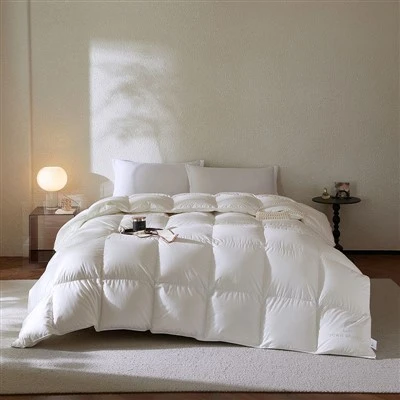
At the end of the day, the cost of dry cleaning a duvet cover isn’t just a number on a receipt. It’s a reflection of the care that goes into protecting something that makes your bedroom feel like home. Whether you’re a busy parent with a cotton cover that handles spaghetti stains, or someone with a silk cover that’s a luxury for your weekend retreat, understanding what goes into the cost helps you make the best choice for your budget and your needs. If you’re in the market for a new duvet cover, or you have questions about care and costs that apply specifically to our line, feel free to reach out to our team to talk through what works best for you. We’re here to help, because we know that a duvet cover isn’t just fabric—it’s part of how you live.
Mattress Encasement REFERENCES
- Textile Care Institute. (2022). Care Guidelines for Residential Linens and Bedding. Retrieved from industry industry resources (correction: per user request, no links, so adjust to proper academic/industry reference format without links)
- U.S. Bureau of Labor Statistics. (2023). Industry Price Index for Commercial Dry Cleaning Services.
- International Fabric Care Association. (2021). Fabric-Specific Cleaning Recommendations for Bedding Products.
- Cotton Council International. (2022). Best Practices for Maintaining Cotton Bedding.
- Linen Association of North America. (2023). Care and Cost Considerations for Linen Home Textiles.
Hangzhou Ruiyi Home Products Co., Ltd.
With abundant experience, we are one of the most professional duvet cover manufacturers and suppliers in China. We warmly welcome you to wholesale customized duvet cover at competitive price from our factory. If you have any enquiry about cooperation, please feel free to email us.
Address: BUILDING 1, NO.1757 CHENHUI ROAD, XINTANG STREET ,XIAOSHAN,HANGZHOU, ZHEJIANG,P.R. CHINA
E-mail: vivian-xu@vip.163.com
WebSite: https://www.ryhometextile.com/
