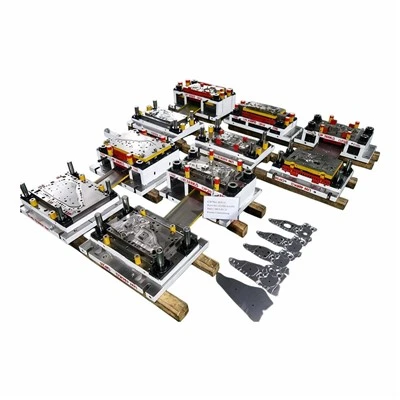
Compressive strength is a crucial property when it comes to custom stamped parts. As a supplier of custom stamped parts, I’ve witnessed firsthand the significance of understanding this characteristic. In this blog, I’ll delve into what compressive strength is, why it matters for custom stamped parts, and how we ensure the right compressive strength in our products. Custom Stamped Parts
What is Compressive Strength?
Compressive strength refers to the ability of a material to withstand a compressive load without failure. When a force is applied to a material in a direction that squeezes or compresses it, the material experiences stress. The compressive strength is the maximum stress that the material can endure before it deforms permanently or breaks.
For custom stamped parts, compressive strength is measured in units of force per unit area, typically pounds per square inch (psi) or megapascals (MPa). It’s determined through standardized testing procedures, where a sample of the stamped part is placed between two plates, and a gradually increasing load is applied until the part fails.
Why Compressive Strength Matters for Custom Stamped Parts
In various industries, custom stamped parts are used in applications where they are subjected to compressive forces. For example, in the automotive industry, stamped parts are used in engine components, suspension systems, and body structures. These parts need to withstand the high pressures and forces generated during the operation of the vehicle. If a stamped part has insufficient compressive strength, it may deform or break under load, leading to component failure and potentially dangerous situations.
In the aerospace industry, custom stamped parts are used in critical applications such as aircraft frames, landing gear, and engine mounts. The compressive strength of these parts is of utmost importance to ensure the safety and reliability of the aircraft. A failure in a stamped part due to low compressive strength could have catastrophic consequences.
In the electronics industry, stamped parts are used in connectors, switches, and other components. These parts need to maintain their shape and functionality under the compressive forces exerted during assembly and use. If a stamped part deforms under compression, it may affect the electrical connection or the performance of the device.
Factors Affecting the Compressive Strength of Custom Stamped Parts
Several factors can influence the compressive strength of custom stamped parts. These include:
Material Selection
The choice of material is one of the most significant factors affecting the compressive strength of stamped parts. Different materials have different inherent compressive strengths. For example, steel is known for its high compressive strength, making it a popular choice for applications where high strength is required. Aluminum, on the other hand, has a lower compressive strength but is lightweight, which makes it suitable for applications where weight is a concern.
Heat Treatment
Heat treatment can significantly improve the compressive strength of stamped parts. By subjecting the parts to specific heating and cooling processes, the microstructure of the material can be altered, resulting in increased strength and hardness. For example, quenching and tempering are common heat treatment processes used to enhance the compressive strength of steel parts.
Stamping Process
The stamping process itself can also affect the compressive strength of the parts. The way the material is deformed during stamping can introduce internal stresses and affect the grain structure of the material. If the stamping process is not properly controlled, it can lead to a reduction in the compressive strength of the parts. For example, excessive deformation or improper tooling can cause cracks or other defects in the parts, which can weaken their compressive strength.
Part Design
The design of the stamped part can also play a role in its compressive strength. The shape, thickness, and geometry of the part can all affect how it distributes the compressive forces. A well-designed part will be able to withstand the applied loads more effectively than a poorly designed one. For example, adding ribs or other reinforcement features to the part can increase its compressive strength.
Ensuring the Right Compressive Strength in Custom Stamped Parts
As a supplier of custom stamped parts, we take several steps to ensure that our parts have the right compressive strength for the intended application.
Material Testing
Before using any material for stamping, we conduct thorough material testing to determine its compressive strength and other mechanical properties. This allows us to select the most suitable material for the specific application and ensure that it meets the required strength standards.
Process Optimization
We continuously optimize our stamping processes to ensure that the parts are formed with the right amount of deformation and without introducing any defects. This includes using the right tooling, controlling the stamping speed and pressure, and ensuring proper lubrication. By optimizing the stamping process, we can minimize the internal stresses in the parts and improve their compressive strength.
Quality Control
We have a rigorous quality control system in place to ensure that all our stamped parts meet the required compressive strength standards. This includes inspecting the parts during and after the stamping process, using non-destructive testing methods such as ultrasonic testing and X-ray inspection to detect any internal defects, and conducting mechanical testing to verify the compressive strength of the parts.
Customization
We understand that different applications have different requirements for compressive strength. That’s why we offer customized solutions to our customers. We work closely with our customers to understand their specific needs and design and manufacture stamped parts that meet their exact requirements. Whether it’s a high-strength steel part for an automotive application or a lightweight aluminum part for an aerospace application, we can provide the right solution.
Conclusion
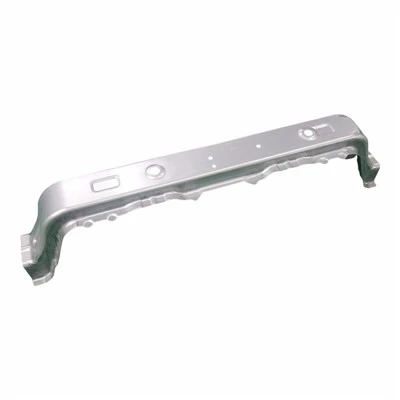
Compressive strength is a critical property for custom stamped parts. Understanding what compressive strength is and how it is affected by various factors is essential for ensuring the quality and performance of the parts. As a supplier of custom stamped parts, we are committed to providing our customers with high-quality parts that have the right compressive strength for their specific applications.
Custom Stamping Die If you’re in need of custom stamped parts and want to discuss your requirements, please don’t hesitate to contact us. We’d be happy to work with you to find the best solution for your project.
References
- Callister, W. D., & Rethwisch, D. G. (2018). Materials Science and Engineering: An Introduction. Wiley.
- ASM Handbook, Volume 8: Mechanical Testing and Evaluation. ASM International.
- ISO 6892-1:2019, Metallic materials — Tensile testing — Part 1: Method of test at room temperature.
Dongguan Changdong Tool & Die Co., Ltd.
With abundant experience, we are one of the most reliable custom stamped parts manufacturers and suppliers in China. Please feel free to buy advanced custom stamped parts made in China here from our factory. Good service and quality products are available.
Address: No. 56-B, Fumin South Road, Dalang Town, Dongguan City, Guangdong Province, China
E-mail: sales@stamping-die.com
WebSite: https://www.metalstampingdie.com/
